
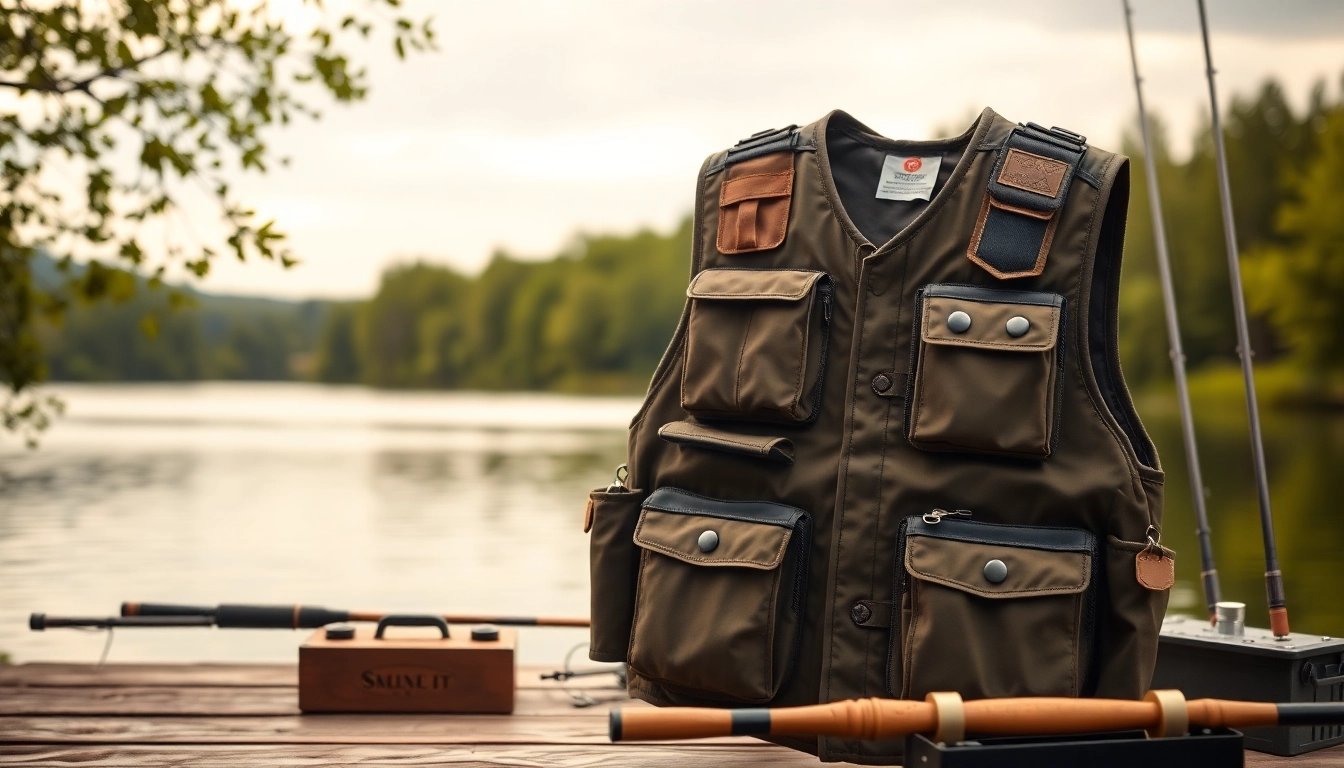
Introduction to Fly Fishing Vests
The world of fly fishing is as vibrant and diverse as the waters in which anglers cast their lines. One of the most essential pieces of gear for any serious fly fisher is the fly fishing vest. These vests are not just a convenient way to carry your tools and fly boxes; they are a vital component that can enhance your experience on the water. In this comprehensive guide, we’ll delve into everything there is to know about fly fishing vests—from their importance and features to maintenance tips and common myths.
What is a Fly Fishing Vest?
A fly fishing vest is a specialized garment designed to provide fishermen with a convenient way to carry essential gear, such as lures, tippets, and tools, while keeping their hands free for fishing. Unlike regular vests, these are equipped with numerous pockets and attachment points for quick access. The design often incorporates lightweight materials to ensure comfort during long fishing trips. Importantly, a fly fishing vest is tailored to facilitate organization and efficiency, allowing anglers to focus on the art of fishing.
Importance of Choosing the Right Vest
Selecting the right fly fishing vest is crucial for several reasons. A well-fitted vest enhances comfort, making it easier to move and cast without restrictions. The right vest also helps you stay organized, reducing the time spent rummaging through gear. Moreover, it can improve your fishing performance by ensuring that everything you need is within reach. Ultimately, choosing the right vest can mean the difference between an enjoyable day on the water and a frustrating experience.
Overview of Key Features to Consider
When selecting a fly fishing vest, there are several key features to consider. These include:
- Material: Look for lightweight, breathable materials that dry quickly.
- Pockets: The quantity and placement of pockets are essential for organization.
- Weight: A lightweight vest will contribute to overall comfort.
- Adjustability: Features like adjustable straps allow for a customized fit.
- Insulation: Depending on the climate, insulation may be a vital feature.
Types of Fly Fishing Vests
Traditional vs. Modern Designs
Fly fishing vests have evolved significantly over the years, resulting in two primary design categories: traditional and modern. Traditional vests often feature a more rugged look with multiple pockets and a more classic aesthetic. Conversely, modern vests emphasize functionality with sleek designs, ergonomic cuts, and often incorporate materials with advanced moisture-wicking and UV-protective properties. Many modern designs also include modular features that allow anglers to customize pocket placements based on individual preferences.
Material and Durability Comparisons
The material of a fly fishing vest can significantly impact its durability, comfort, and functionality. Common materials include:
- Nylon: Highly durable and water-resistant, making it ideal for various weather conditions.
- Polyester: Lightweight and quick-drying, though not as durable as nylon.
- Cotton: While comfortable and breathable, it tends to absorb water and is less ideal for fishing conditions.
When selecting a vest, consider the environmental conditions you’ll encounter. For instance, if fishing in wet areas, a nylon vest may offer the best protection.
Pockets and Storage Options
The storage capabilities of a fly fishing vest can greatly enhance your fishing experience. Look for vests with:
- Front Pockets: Ideal for quick access to fly boxes and tools.
- Back Pockets: Can store larger equipment and additional gear.
- Specialized Pockets: Some vests have designated pockets for specific items like tippet spools or fishing licenses.
- Tool Attachment Points: Secure locations for nippers, hemostats, and other critical tools.
Choosing a vest with adequate storage options allows you to minimize downtime on the water.
Selecting the Best Fly Fishing Vest for Your Needs
Assessing Your Fishing Style
Your fishing style plays a critical role in determining the best fly fishing vest for your needs. If you prefer wading in rivers, you might prioritize a lightweight vest with numerous pockets for quick access. On the other hand, if you often fish from a boat, you may need a vest with more storage space for tools and spare gear. Additionally, consider whether you typically fish in warm or cooler climates, as this can influence your choice of materials and insulation.
Size and Fit Considerations
The fit of your fly fishing vest is fundamental to ensuring comfort and functionality. A vest that is too tight may restrict movement, while one that is too loose can become cumbersome. When trying on a vest, pay attention to key areas:
- Shoulders: Ensure full range of motion.
- Chest: Check if it accommodates layers underneath.
- Waist: Adjustable straps provide a personalized fit.
Trying on multiple sizes and styles will help you find the ideal fit, so consider bringing along items you park in the vest.
Reviewing Customer Feedback
Before making your final decision on a fly fishing vest, reviewing customer feedback can provide comprehensive insights. Look for reviews highlighting features relevant to your style, such as storage capacity, comfort during long fishing days, and durability when faced with tough conditions. Comparing customer experiences will facilitate a more informed purchasing decision, as you may discover nuances that are hard to gauge from product specifications or promotional materials alone.
Tips for Maintaining Your Fly Fishing Vest
Cleaning and Care Guidelines
Proper maintenance of your fly fishing vest can extend its life significantly. Follow these cleaning and care guidelines:
- Regular Cleaning: Rinse the vest after each use to remove salt or dirt.
- Machine Wash: Use a gentle cycle with cold water and mild detergents; avoid fabric softeners.
- Air Dry: Hang the vest to dry naturally; avoid direct sunlight to prevent fading.
Investing time in regular cleaning will help keep your vest functional and looking new.
Storing Your Vest Properly
How you store your fly fishing vest is vital for its longevity. Store it in a cool, dry place, avoiding damp areas that could promote mold and mildew. When not in use, consider hanging the vest rather than folding it, which can help retain its shape and prevent creases in the fabric. Additionally, ensure that no tools or items are left in the pockets, as this can warp the vest over time.
Routine Inspections for Longevity
To maximize the lifespan of your vest, performing routine inspections is crucial. Check for signs of wear such as fraying seams, zippers that malfunction, or pockets that are beginning to tear. Address any small issues immediately to prevent them from becoming larger problems. If repairs are needed, consider sewing small tears, replacing zippers, or visiting a professional repair service for extensive damage.
Common Myths and FAQs about Fly Fishing Vests
Debunking Misconceptions
There are numerous misconceptions surrounding fly fishing vests, and clearing these up can help first-time buyers make informed decisions:
- Myth 1: Vests are only for experienced anglers. Truth: Vests are beneficial for beginners by providing convenient access to gear.
- Myth 2: All vests are bulky and uncomfortable. Truth: Many modern designs emphasize lightweight materials for comfort.
Addressing Common Concerns
Some common concerns about fly fishing vests include:
- Fit: How to ensure comfort while fishing?
- Storage: How much gear can I realistically carry?
Addressing these concerns typically involves proper fitting and selecting a vest that matches your fishing style and needs.
Tips for First-Time Buyers
Here are some actionable tips for first-time buyers navigating the selection of a fly fishing vest:
- Test multiple sizes: Find what fits you best.
- Consider modular designs: Future-proofing your vest choice.
- Check user reviews: Real-world experiences can guide you.
Frequently Asked Questions (FAQs)
1. What is the best material for a fly fishing vest?
The best materials are typically lightweight and breathable options like nylon and polyester, as they provide durability and moisture-wicking properties.
2. Can I wash my fly fishing vest in a machine?
Yes, but use a gentle cycle with cold water and mild detergent, avoiding fabric softeners, which can damage the material.
3. How do I know what size vest to buy?
Measure your chest and compare it with the sizing chart of the vest you’re considering, and always try on for fit when possible.
4. Is a fly fishing vest suitable for beginners?
Absolutely! Vests help beginners stay organized and keep essential gear easily accessible while learning the craft.
5. How should I store my vest when not in use?
Store your vest in a cool, dry place and consider hanging it to maintain its shape and prevent mold or mildew.
