Understanding Laser Cutting Designs
What Are Laser Cutting Designs?
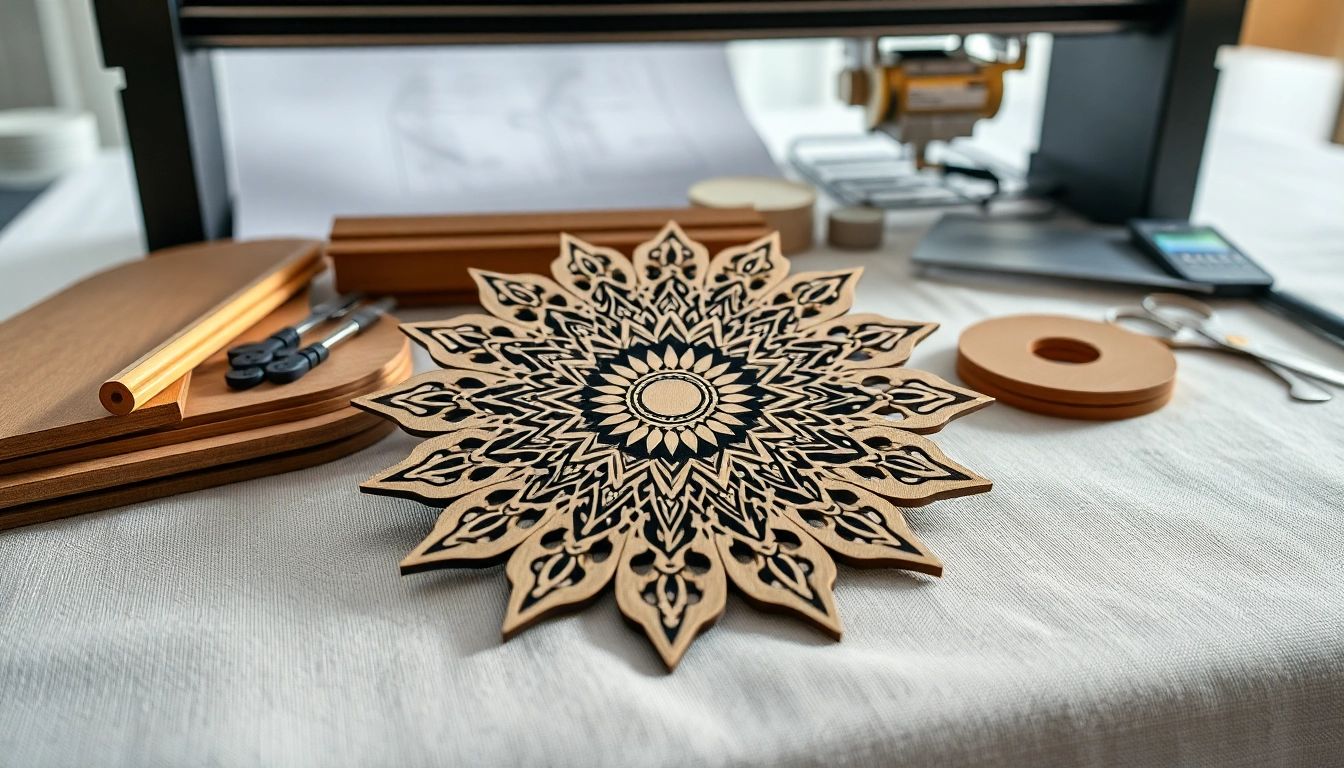
Laser cutting designs refer to the precise patterns or shapes created using laser cutting technology. This process utilizes a highly focused laser beam to cut or engrave materials with exceptional accuracy. The designs can range from simple geometric shapes to intricate artistic patterns, widely applied across various industries, including manufacturing, fashion, and craft creation. The beauty of laser cutting designs lies in their versatility, allowing for both functional and aesthetic outcomes that can elevate products and projects significantly. Additionally, many small businesses and hobbyists turn to laser cutting designs for their unique creations.
How Laser Cutting Works
The laser cutting process involves several key steps that ensure the precision of the final design. Initially, a digital design is created using specialized software, which is then translated into a format that the laser cutter can interpret. The machine itself consists of a laser source, optics, and a mechanical system that moves the material. Here’s how it works:
- Creating a Digital Design: Using applications such as Adobe Illustrator or CorelDRAW, a design is drafted digitally, optimized for cutting.
- Setting Up the Laser Cutter: The design is uploaded to the laser cutter’s software, where operators can adjust settings like speed, power, and depth according to the material type.
- Cutting Process: The laser heats the material to the point of vaporization or melting. The cutting head moves along the designated path, creating a clean edge.
- Post-Processing: After cutting, the final product may require cleaning to remove any residue or burn marks to achieve a polished look.
This technology allows for excellent repeatability in designs, making it ideal for mass production, customization, and prototyping.
Applications of Laser Cutting Designs
Laser cutting designs have an extensive range of applications that continue to evolve, responding to various sector needs:
- Manufacturing: Precision components for machinery and automotive parts leverage laser cutting for accuracy.
- Arts and Crafts: Artists and crafters utilize laser cutting for creating detailed woodwork, ornaments, and sculptures.
- Interior Design: Custom furniture and interior decorations often feature unique laser-cut designs that enhance aesthetic appeal.
- Fashion Industry: Clothing and accessories can be designed with intricate patterns that are only achievable through laser technology.
- Signage: Custom signage solutions for businesses and events utilize durable, eye-catching cuts that enhance visibility.
The adaptability of laser cutting technology allows for innovation and creativity across these fields, fostering a culture of design exploration.
Material Selection for Laser Cutting Designs
Common Materials Used
Choosing the right materials for laser cutting designs is crucial for achieving desired outcomes. Here are some commonly used materials:
- Wood: Popular for both aesthetic and structural applications, wood offers a range of colors and textures and can be easily engraved or cut.
- Acrylic: Known for its versatility and vibrant colors, acrylic is lightweight and easy to shape, making it ideal for signs and displays.
- Paper and Cardstock: Perfect for crafts, packaging, and prototypes, these materials cut cleanly and can be easily manipulated.
- Metals: Certain metals like stainless steel, aluminum, and brass can be cut or engraved with a laser, though they require specialized equipment.
- Fabrics: Laser cutting can produce intricate designs on fabric, making it widely used in the fashion industry.
Choosing the Right Material
Selecting the right material also involves considering the end-use of the product. Factors such as durability, aesthetic appeal, and weight play crucial roles in decision-making. For instance, if the final design is intended for outdoor use, a robust material like metal or treated wood is advisable. Alternatively, delicate projects, like intricate models, may benefit from lighter materials like paper or thin acrylic. It’s essential to align the material choice with both functionality and design intent to ensure the laser cutting yields optimal results.
Material Thickness and Texture Considerations
Material thickness significantly influences the laser cutting process. Thicker materials often require more powerful lasers and slower cutting speeds, which can affect the overall quality of the edge finish. Additionally, the texture of the material can impact the success of the cutting or engraving process. For example, materials with a smooth finish will typically yield cleaner cuts compared to rough-textured materials. Understanding these factors can help designers tweak their strategies for optimal performance.
Tools and Technologies for Laser Cutting Designs
Types of Laser Cutting Machines
There are several types of laser cutting machines available, each suited for different applications and materials. Here’s an overview:
- CO2 Laser Cutters: Ideal for cutting non-metal materials such as wood, acrylic, and leather. They offer high precision and are widely used in craft applications.
- Fiber Laser Cutters: Best suited for cutting metals, fiber lasers provide high-speed cutting with impressive accuracy and efficiency.
- Nd:YAG Laser Cutters: These are primarily used for marking and engraving across various materials, offering versatility.
Understanding the different capabilities of each laser type ensures the right machine is selected for specific project requirements.
Software for Creating Designs
The software used for creating laser cutting designs plays a pivotal role in the output’s quality and complexity. Some popular options include:
- Adobe Illustrator: A powerful tool for vector graphics, ideal for creating intricate designs.
- CorelDRAW: Another vector-based option that allows for easy manipulation of designs intended for laser cutting.
- Inkscape: A free, open-source vector graphic editor, great for those starting with laser cutting.
These software tools not only facilitate the design process but also allow for testing and adjusting parameters before committing to material cutting.
Integration with Other Technologies
Innovations in laser cutting are continuously evolving as they integrate with other technologies, such as:
- CNC Machining: Combining laser cutting with CNC (Computer Numerical Control) allows for even more complex repairs and designs.
- 3D Printing: The integration of laser cutting with 3D printing can produce hybrid designs that leverage the strengths of both techniques.
- Robotics: For large-scale applications, robotic systems can enhance the efficiency and precision of laser cutting processes.
This combination of technologies not only increases production capabilities but also fosters creative possibilities for designers.
Design Principles for Effective Laser Cutting Designs
Simplicity vs. Complexity in Designs
Finding the balance between simplicity and complexity is fundamental when designing for laser cutting. Simple designs often yield better results, especially for intricate cuts, as complex patterns can lead to complications with alignment and cutting precision. However, with proper planning, complex designs can be executed effectively. It’s essential to consider the characteristics of the material and the machine’s capabilities when determining design complexity.
Understanding Design Limitations
Every laser cutting process has its limitations, dictated by the material properties and machine specifications. Understanding the limits of your chosen material, such as its melting point and structural integrity, is crucial. Designers should also be aware of kerf—the width of material removed during cutting—which can affect overall dimensions. Awareness of these factors helps in creating designs that are not only visually appealing but also feasible for production.
Color and Texture in Laser Cutting Designs
Color and texture can transform the perception of laser cutting designs. Engraving techniques can create contrasting textures on the surface, while colored materials or finishes can enhance the overall aesthetic. Accurate use of color and texture not only contributes to the visual appeal but can also serve functional purposes, such as enhancing visibility or differentiating between components.
FAQs about Laser Cutting Designs
What materials can be used for laser cutting?
Materials like wood, acrylic, paper, and certain metals work well with laser cutting. Each material has unique properties that affect the cutting process.
Is laser cutting safe for home use?
When using appropriate safety measures and equipment, laser cutting can be safe for home use, provided users are knowledgeable about the equipment.
What is the best software for designing laser cutting files?
Software like Adobe Illustrator, CorelDRAW, and Inkscape are popular for laser cutting designs. Each has features that cater to different design needs.
Can I use laser cutting for small business products?
Yes, many small businesses utilize laser cutting to create unique products and personalized items, allowing for customization and scalability.
How do I maintain my laser cutting machine?
Routine cleaning, software updates, and checking the lens condition can help maintain your laser cutter, ensuring optimal performance and longevity.