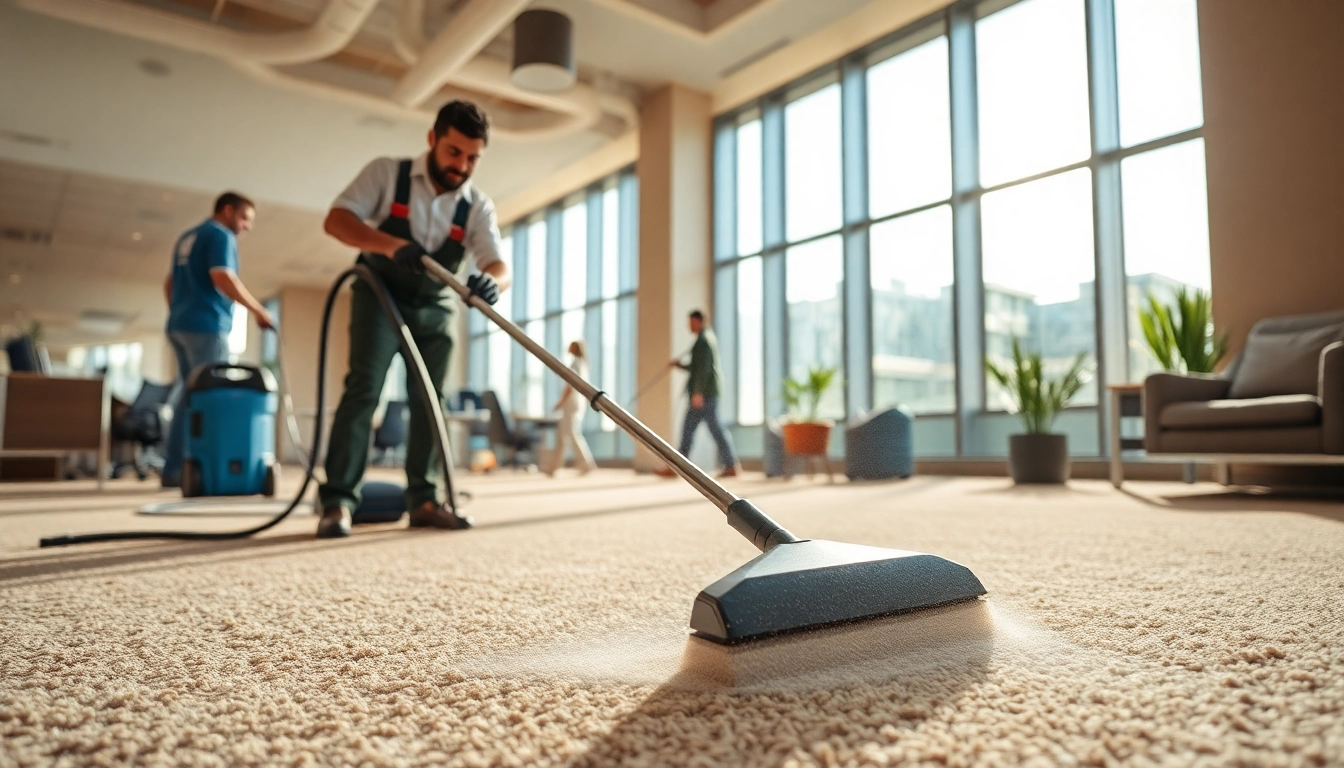
Understanding the Need for Commercial Carpet Cleaning
Commercial spaces, from office buildings to retail establishments, often face unique challenges in maintaining their cleanliness, particularly when it comes to carpets. The importance of commercial carpet cleaning cannot be overstated; it is essential not only for aesthetics but also for health and safety. In this section, we will explore why regular carpet maintenance is necessary, identify different carpet types, and discuss common issues that arise in commercial environments.
Benefits of Regular Carpet Maintenance
Investing in regular carpet cleaning provides a multitude of benefits for commercial facilities:
- Enhanced Appearance: Clean carpets create a welcoming environment for clients and employees alike, enhancing the overall appearance of the space.
- Health Benefits: Regular cleaning removes dust, allergens, and bacteria, contributing to a healthier indoor air quality.
- Prolonging Carpet Life: Scheduled maintenance prevents premature wear, protecting your investment over the long term.
- Odor Reduction: Professional cleaning eliminates odors trapped within the carpet fibers, contributing to a fresher atmosphere.
- Preventing Stains: Addressing spills and stains promptly through professional services can minimize lasting damage.
Identifying Different Carpet Types
Understanding the types of carpets in your commercial space is vital for effective cleaning. Common types include:
- Berber Carpet: Known for its looped design, it is durable but can snag easily if not taken care of properly.
- Cut Pile Carpet: Soft and plush, this carpet type provides comfort and a luxurious feel but may require more frequent cleaning.
- Tile Carpet: Versatile and easy to replace, these tiles can be cleaned individually, making maintenance simpler.
- Commercial Broadloom: Often used in large areas, it is durable and can handle heavy foot traffic.
Common Issues Addressed by Carpet Cleaning
Carpets in commercial settings are susceptible to various common issues, including:
- Stains: Coffee spills, ink marks, and other stains can accumulate without regular cleaning.
- Allergies: Dust mites and allergens settled in carpets can exacerbate health issues for employees.
- Mold Growth: In humid areas, mold can develop if carpets are not cleaned and dried properly.
- Fading: Sun exposure and foot traffic can lead to color fading, making professional cleaning even more necessary.
Choosing the Right Cleaning Methods
Commercial carpet cleaning methods vary significantly. Understanding these differences can aid in selecting the most appropriate cleaning strategy for your needs.
Comparison of Steam vs. Dry Cleaning
Two primary methods dominate the commercial carpet cleaning landscape: steam cleaning and dry cleaning. Here’s how they compare:
- Steam Cleaning: Also known as hot water extraction, this method uses hot water to dissolve dirt and grime. It’s highly effective for deep cleaning but requires longer drying times.
- Dry Cleaning: Utilizing special cleaning compounds, dry cleaning allows for quicker drying. It’s great for light stains but may not penetrate deeply for tough grime.
Eco-Friendly Cleaning Options
With increasing awareness of environmental sustainability, choosing eco-friendly cleaning products is crucial. These products minimize harm to the environment and promote healthier indoor air quality.
Methods such as using biodegradable detergents and lower-water use cleaning techniques not only help the planet but can also resonate with environmentally-conscious clients and employees.
Tools and Equipment for Effective Cleaning
The right tools can make all the difference in the effectiveness of commercial carpet cleaning:
- Industrial Carpet Cleaners: Heavy-duty machines designed for high traffic areas.
- Vacuum Cleaners: High-efficiency models that can extract embedded dirt.
- Steam Cleaners: For deep cleaning, especially effective in removing allergens.
- Spot Treatment Solutions: Essential for immediate stain treatment and prevention.
Implementing a Cleaning Schedule
Creating a regular cleaning schedule is key to maintaining carpets in commercial environments. Here are some recommendations:
Frequency Recommendations for Different Businesses
The frequency of cleaning should be based on the business type and foot traffic:
- High Traffic Areas: Spaces such as retail stores or offices should be cleaned monthly.
- Moderate Traffic Areas: Areas like conference rooms may require quarterly cleaning.
- Low Traffic Areas: Less frequented areas can be cleaned bi-annually.
Creating a Custom Cleaning Plan
Businesses should assess their specific needs and develop a custom plan, taking into consideration:
- Type of carpet and its durability.
- Average foot traffic during the day.
- Seasonal changes affecting maintenance, such as winter grime or pollen in spring.
Monitoring and Adjusting Schedules
Regular reviews of the cleaning schedule are advisable to adjust frequency based on observed conditions, budget changes, or new carpet additions. Feedback from employees about carpet status can also guide necessary adjustments.
Challenges in Commercial Carpet Cleaning
While commercial carpet cleaning is essential, it presents several challenges that must be addressed effectively:
Dealing with Stains and High Traffic Areas
High traffic areas likely accumulate the most stains. Implementing a proactive approach by using mats at entryways can significantly reduce dirt accumulation. Immediate attention to spills is also critical, as the quicker a stain is treated, the higher the chance of complete removal.
Common Misconceptions about Carpet Care
Many misconceptions can hinder effective carpet maintenance:
- “Vacuuming is Enough:” While important, vacuuming alone doesn’t remove ground-in dirt and allergens.
- “All Cleaners are the Same:” Different carpets require specific cleaning solutions to avoid damage.
Handling Allergens and Health Concerns
When dealing with allergens, using advanced cleaning technologies and green cleaning products can significantly mitigate health issues. Regular professional cleanings can ensure allergens are kept at bay, leading to a healthier environment for all occupants.
Measuring Success in Carpet Cleaning
To ensure your carpet cleaning efforts are effective, it’s important to implement metrics for evaluation.
Evaluating Cleanliness and Maintenance Metrics
Clean carpets should be assessed visually and through tactile checks. Maintenance metrics to consider include:
- Frequency of stains and spills.
- Employee feedback on cleanliness.
- Cost per cleaning versus the longevity of carpet.
Customer Feedback as a Performance Indicator
Gathering feedback from customers is essential. Their perception of cleanliness directly affects their experience and their willingness to return. Regular surveys can provide valuable insights.
Long-term Care Benefits
Long-term assessments reveal how consistent cleaning preserves carpet quality. Over time, maintaining a routine can reduce replacement costs and enhance the business’s reputation, leading to increased customer satisfaction.
FAQs
How often should carpets be professionally cleaned?
Carpets in high traffic areas should typically be cleaned every month, while those in moderate traffic can be cleaned quarterly. Low traffic spaces may only need biannual cleanings.
What are the best methods for removing stains?
Act quickly by blotting stains with a clean cloth. For tough stains, use a specialized carpet cleaner or a mix of mild detergent and water, ensuring thorough rinsing afterward.
Are eco-friendly cleaning products effective?
Yes, eco-friendly products can be effective and often contain natural ingredients that are less harmful to health and the environment while still delivering excellent cleaning results.
Can carpet cleaning improve indoor air quality?
Yes, professional cleaning removes dust, allergens, and bacteria from carpets, improving overall indoor air quality and promoting a healthier environment.
How can I maintain my carpets between professional cleanings?
Regular vacuuming, addressing spills promptly, and using entrance mats can help reduce dirt and extend the time between professional cleanings.