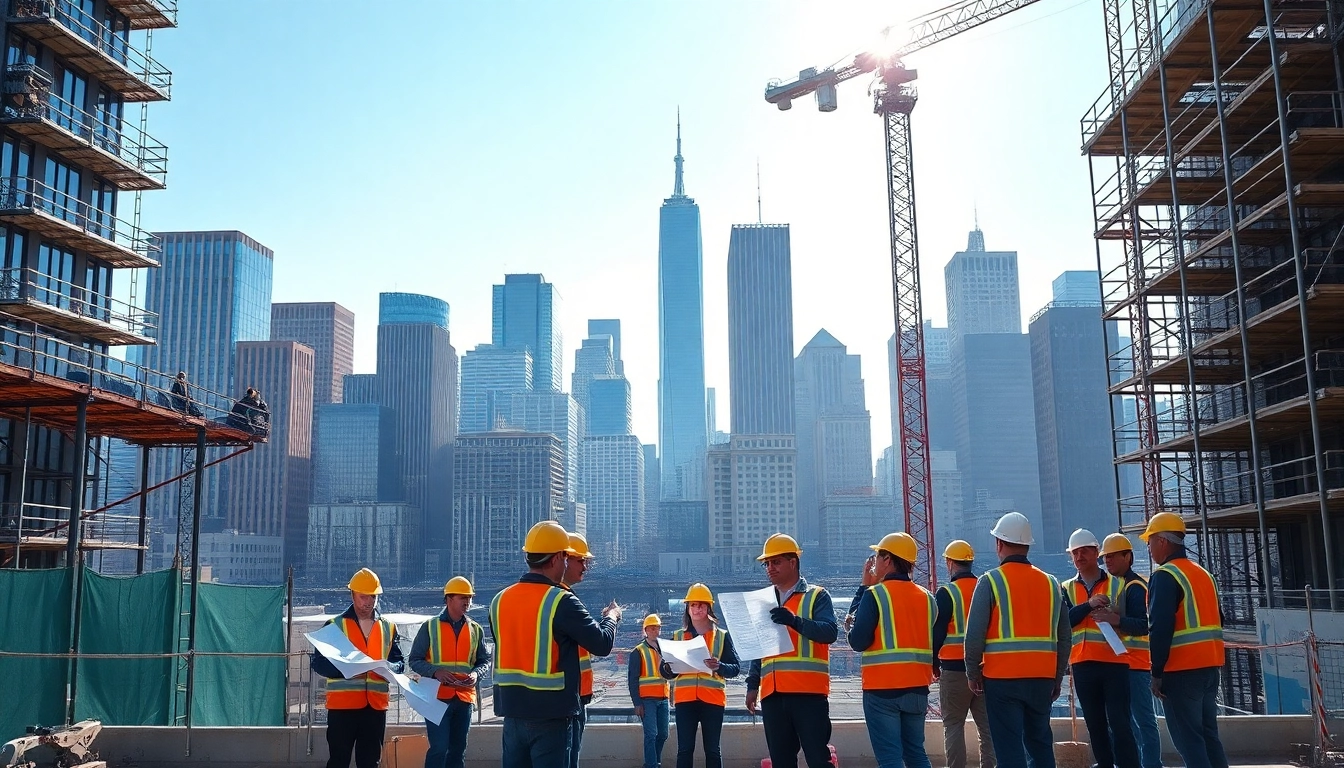
- Understanding the Role of a New York Commercial General Contractor
- Key Features of a Reliable New York Commercial General Contractor
- Comparing New York Commercial General Contractors
- Best Practices When Hiring a New York Commercial General Contractor
- Frequently Asked Questions about Hiring a New York Commercial General Contractor
Understanding the Role of a New York Commercial General Contractor
Definition and Importance
A New York Commercial General Contractor plays a pivotal role in the construction industry, serving as the backbone of any commercial project. These professionals are tasked with overseeing all phases of construction, from initial planning to the project’s final completion. This role is crucial in ensuring that projects are completed on time, within budget, and according to specified standards. The contractor serves as the main point of communication between various stakeholders, including architects, engineers, and clients, ensuring a streamlined workflow and adherence to project specifications.
Typical Responsibilities
Commercial general contractors are responsible for a myriad of tasks that include but are not limited to:
- Project planning and scheduling
- Securing permits and licenses
- Hiring and supervising subcontractors and laborers
- Ordering and obtaining materials
- Managing the project budget
- Ensuring compliance with building codes and regulations
- Conducting regular site inspections
- Communicating with stakeholders about project progress and issues
By effectively managing these responsibilities, a New York Commercial General Contractor ensures that a project not only meets aesthetic and technical specifications but is also completed safely and efficiently.
Impact on Project Success
The success of any commercial construction project often hinges on the quality of the contractor at the helm. A skilled contractor can foresee potential challenges, streamline the procurement process, and mitigate risks. Their expertise facilitates problem-solving and adaptability while navigating challenges that arise during construction. Furthermore, they play a decisive role in quality control, ensuring that the materials used and the workmanship meet industry standards and client expectations. A competent contractor fosters a collaborative environment that enhances relationships among all parties involved, contributing to an overall successful project outcome.
Key Features of a Reliable New York Commercial General Contractor
Licensing and Insurance Requirements
Before hiring a commercial general contractor, it’s vital to verify that they hold the necessary licenses and insurance. In New York, general contractors are required to have specific state and local licenses based on the scope of work. Additionally, contractors should carry liability insurance and worker’s compensation insurance to protect both themselves and their clients from potential financial losses due to accidents or damages that occur on-site. Ensuring that a contractor meets these legal requirements should be a top priority to avoid pitfalls in your construction project.
Experience and Expertise
Experience is a crucial indicator of a contractor’s capability. A contractor with substantial experience, especially in similar commercial projects, is likely to have developed invaluable skills and insights that will contribute positively to a new project. Factors such as the size, complexity, and specific type of commercial construction significantly influence the level of expertise required. Looking for a contractor with a solid track record of successfully completed projects in your industry niche can significantly enhance your project’s chances of success.
Client Reviews and Testimonials
Reviews and testimonials from previous clients provide insight into a contractor’s capabilities and client satisfaction. Positive feedback and high ratings can signal reliability and competence, while negative reviews should serve as red flags. Requesting references allows potential clients to speak directly with past clients about their experiences. These conversations can reveal a contractor’s work ethic, communication style, and ability to deliver on promises, making them essential in the decision-making process.
Comparing New York Commercial General Contractors
Evaluating Cost Estimates
Understanding cost estimates is fundamental when comparing potential contractors. Estimates should be detailed, breaking down the costs of labor, materials, and overhead. A quick, low estimate can indicate a contractor may cut corners, while an overly high estimate doesn’t always mean quality. It’s essential to evaluate estimates critically and ask for clarifications on any discrepancies. Comparing quotes from multiple contractors can also provide leverage in negotiations and help identify what’s reasonable within your budget.
Assessing Project Management Skills
Project management skills are vital in ensuring that a construction project progresses smoothly. Effective project managers can balance timelines, budget constraints, and quality standards. Look for contractors who employ sophisticated project management software or systems that allow for transparent communication, tracking progress, and reporting issues in real-time. Ask for examples of how they’ve handled past projects and the effectiveness of their approach in meeting deadlines and budgets.
Understanding Communication Styles
The communication style of a contractor can significantly affect the project’s progression. Contractors should be accessible, open to feedback, and proactive in providing updates. Clear and effective communication minimizes misunderstandings and ensures alignment with project goals. During the vetting process, gauge how readily a contractor responds to inquiries and how effectively they explain technical details, as this can predict future interactions during your project.
Best Practices When Hiring a New York Commercial General Contractor
Checking References and Past Work
Once you have a shortlist of potential contractors, checking their references is essential. Speak directly with previous clients to ask about their experience working with the contractor, including communication, project delivery, and overall satisfaction. Additionally, visiting past project sites provides tangible proof of a contractor’s capabilities and workmanship quality. This due diligence can prevent common pitfalls and enable informed decision-making.
Interviewing Candidates Effectively
The interview process is a crucial opportunity to assess potential contractors. Prepare a list of questions that cover essential topics such as their experience, approach to problem-solving, and understanding of your project specifics. Pay attention to candidates’ responses and their eagerness to engage in a dialogue. A contractor who listens and addresses all your concerns is more likely to prioritize collaboration, increasing the likelihood of project success.
Negotiating Contracts and Terms
Once you have selected a contractor, negotiating the contract is critical. Ensure that all aspects of the project, including timelines, deliverables, and payment schedules, are explicitly defined. Discuss potential contingencies for unexpected events and outline the protocol for resolving disputes. A well-drafted contract protects both parties and sets clear expectations, mitigating the risks of misunderstandings or disputes down the line.
Frequently Asked Questions about Hiring a New York Commercial General Contractor
What should I look for in a contractor?
Look for experience, relevant licenses, insurance coverage, solid client reviews, and effective communication. These qualities indicate reliability and competence.
How do I verify a contractor’s license?
Check with the New York State licensing board or local government website. They provide information about a contractor’s licensing status and any disciplinary actions.
What are average costs for commercial contracting?
Costs vary widely based on project type and location. Typically, commercial construction might range from $100 to $500 per square foot depending on specifications.
How long does a typical project take?
Project timelines depend on the scope and complexity. Simple projects may be completed in weeks, while larger ones might take several months to a year or longer.
What if issues arise during construction?
Open communication is key. Discuss issues with your contractor promptly to find a mutually agreeable solution. Most professional contractors have protocols for conflict resolution.