- Understanding the Role of a New York Commercial General Contractor
- How to Identify Top New York Commercial General Contractors
- Cost Factors Involved When Hiring a Contractor
- Effective Communication with Your New York Commercial General Contractor
- FAQs About Hiring New York Commercial General Contractors
Understanding the Role of a New York Commercial General Contractor
What is a Commercial General Contractor?
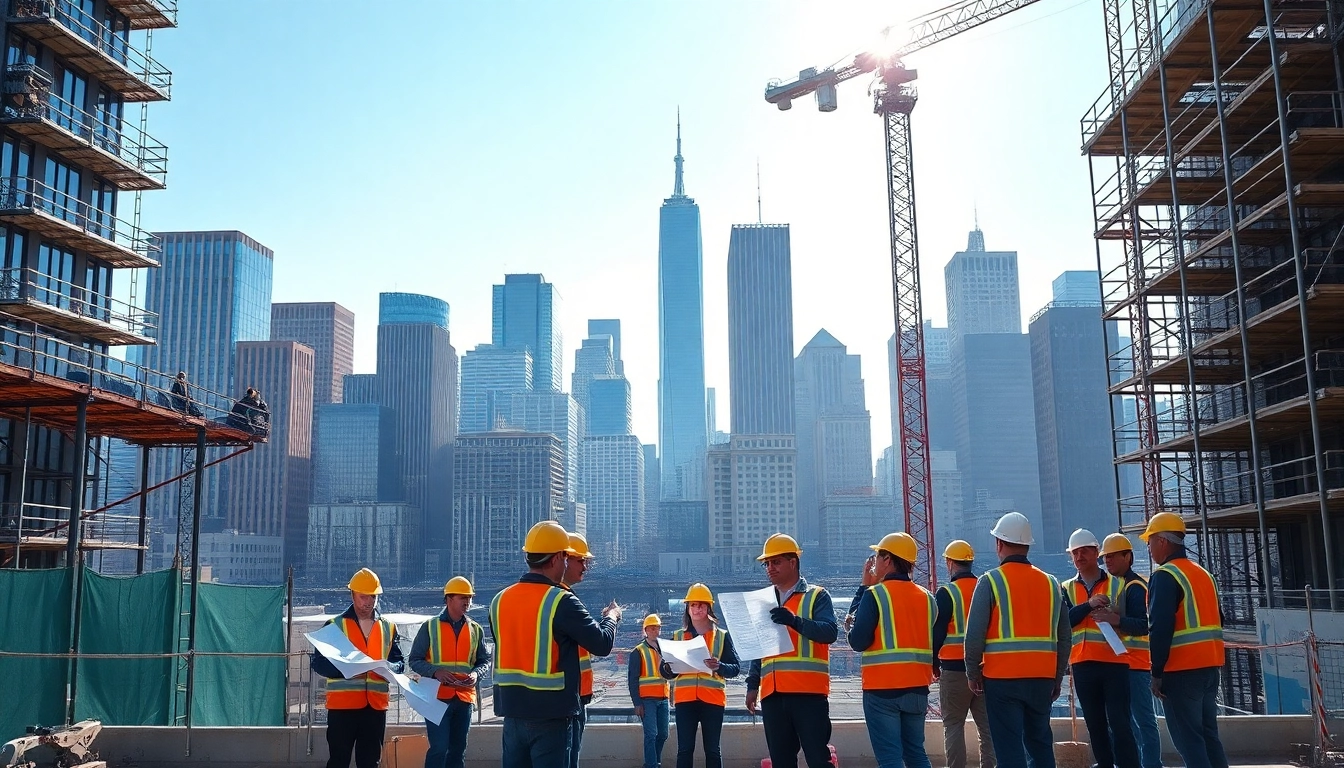
A New York Commercial General Contractor is a pivotal figure in the construction industry, serving as the primary point of contact for a project. Their role transcends mere construction; they are responsible for the comprehensive management of commercial construction projects, including logistics, staffing, and compliance with building codes and regulations. A commercial general contractor orchestrates all trades involved in a project, ensuring that everything runs smoothly from inception to completion.
Key Responsibilities and Duties
Commercial general contractors bear a wide array of responsibilities that collectively ensure the success of construction projects. Some key duties include:
- Project Management: Overseeing the entire construction process, from planning and design to execution and delivery.
- Budget Management: Creating and managing the project’s budget, ensuring that costs are controlled and documented.
- Vendor Coordination: Engaging and managing subcontractors, suppliers, and various vendors to ensure timely deliveries and quality workmanship.
- Compliance Assurance: Making sure that all construction activities comply with local laws, building codes, and safety regulations.
- Quality Control: Ensuring that the work meets the required standards, specifications, and client expectations.
Benefits of Hiring a General Contractor
Opting to work with a New York Commercial General Contractor can yield numerous advantages, including:
- Expertise: Contractors bring years of experience and knowledge of the construction industry, enabling smarter decision-making and problem-solving.
- Time Efficiency: They help streamline processes, thus saving time and speeding up project delivery while maintaining quality.
- Cost Savings: Their thorough understanding of the market allows them to source materials efficiently and avoid unnecessary expenditures.
- Risk Management: General contractors mitigate risks associated with construction projects through proper planning and execution.
How to Identify Top New York Commercial General Contractors
Qualities to Look For
When selecting a New York Commercial General Contractor, several qualities indicate that you are making a sound choice. Look for:
- Experience: A proven track record in managing similar projects in size and scope is crucial.
- Strong Communication Skills: Effective communication facilitates collaboration among all parties and helps avoid misunderstandings.
- Problem-Solving Abilities: Look for contractors who can proactively identify and address potential issues before they affect the project.
- Positive Reputation: A contractor with excellent references and reviews demonstrates reliability and quality service.
Finding Local Proficiency and Certifications
To ensure that you have a capable contractor, verify their local licenses and certifications. This can typically be done through:
- Checking state and local licensing boards for valid licenses.
- Reviewing certificates for specific types of construction work, like LEED certifications for sustainable building.
- Inquiring about membership in professional organizations, which may provide additional credibility.
Importance of Client Reviews and Testimonials
Client reviews serve as invaluable barometers of a contractor’s capabilities and reliability. Seek out:
- Online reviews on platforms like Google, Yelp, and industry-specific sites to gauge customer satisfaction.
- Testimonials directly from previous clients, focusing on their overall experience and project outcomes.
- Case studies showcasing significant projects, detailing challenges faced and solutions provided.
Cost Factors Involved When Hiring a Contractor
Typical Pricing Structures
The cost of hiring a New York Commercial General Contractor can vary significantly based on various factors, including:
- Contractor Fees: These typically encompass a markup on subcontractor fees, labor, and materials. Fees might be fixed, hourly, or percentage-based depending on the project’s size and complexity.
- Materials Cost: Prices fluctuate based on the quality and availability of materials, impacting overall project costs.
- Labor Rates: These can vary according to local market conditions, skills required, and the subcontractors hired.
Hidden Costs to Watch Out For
While budgeting for a project, it’s essential to consider potential hidden costs that may arise:
- Permitting and Inspection Fees: Local building permits may require fees that can add to initial estimates.
- Contingency Costs: Unexpected repairs or modifications during the construction phase can increase costs.
- Delayed Project Costs: If a project runs over schedule, additional costs for extended labor and materials may apply.
Budgeting Tips for Commercial Projects
To effectively budget for your commercial project, consider these strategies:
- Create a Detailed Plan: Outline all phases of construction, and itemize materials and labor.
- Set Aside a Contingency Fund: Allocate an additional 10-20% of the total budget for unforeseen expenses.
- Regularly Review Costs: Monitor ongoing expenses and adjust the budget as necessary to stay on track.
Effective Communication with Your New York Commercial General Contractor
Establishing Clear Goals and Expectations
Effective communication begins with establishing clear goals and expectations for your project. Here are steps to ensure clarity:
- Define the project scope, timelines, and specific deliverables from the onset.
- Agree on communication frequency—daily, weekly meetings, or updates—ensuring all parties are aligned on progress and changes.
- Utilize visual aids like charts and timelines to provide a clearer representation of project milestones.
Using Technology for Better Collaboration
Technology can enhance collaboration and efficiency. Consider implementing:
- Project management software to track project milestones, tasks, and assignments.
- Cloud-based platforms that allow for real-time document sharing and updates.
- Communication tools such as instant messaging and video conferencing for quick discussions and resolutions.
Regular Updates and Progress Meetings
Regularly scheduled updates and progress meetings help maintain open lines of communication. During these sessions:
- Review completed tasks and adjust timelines if necessary.
- Address any concerns or roadblocks that may have arisen since the last meeting.
- Celebrate milestones achieved, reinforcing team morale and motivation.
FAQs About Hiring New York Commercial General Contractors
What Is the Average Timeline for a Commercial Project?
The timeline depends on project size and complexity, ranging from a few months to over a year. Large-scale projects require substantial planning and execution time.
How Do I Know If a Contractor Is Licensed?
Check local and state licensing boards online, where you can verify a contractor’s license status easily. This ensures they meet local legal requirements.
What Should I Include in My Contract?
Your contract should include project specifications, timelines, payment schedules, and liability clauses. It’s essential to define clear terms for all parties involved.
How Are Disputes Resolved?
Disputes can be resolved through mediation, arbitration, or litigation, depending on the terms outlined in the contract. Clear documentation is key to effective resolution.
What Are Common Project Management Tools Used?
Common tools include Asana, Trello, Microsoft Project, and BIM software, which facilitate project planning, task management, and collaboration among teams.