
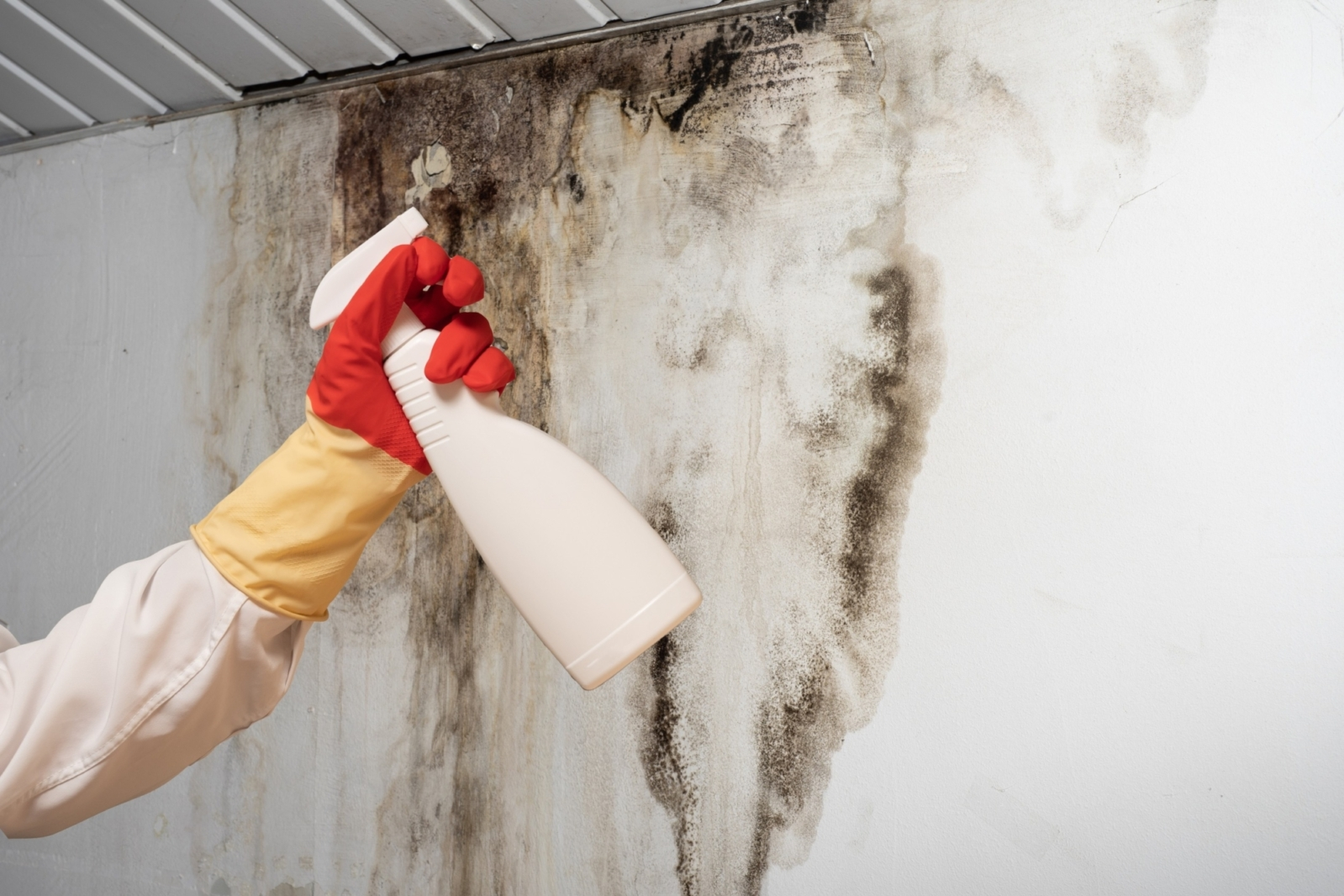
South Florida’s warm climate, high humidity, and frequent storms create ideal conditions for mold growth in commercial buildings. From office complexes and retail stores to warehouses and healthcare facilities, mold can become a serious issue that affects both property and business operations. When mold develops in a commercial environment, immediate action is essential to prevent further damage and maintain a healthy indoor space. This is why choosing the right company for commercial mold removal is one of the most important decisions a property owner or facility manager can make.
Mold is more than a cosmetic problem. It can spread rapidly through walls, ceilings, flooring, and ventilation systems if left untreated. The longer it remains, the more extensive and costly the damage can become. Professional commercial mold removal services are designed to identify the source of the problem, eliminate mold contamination, and help prevent future outbreaks. However, not all remediation companies provide the same level of expertise, making it important to understand what separates the best providers from the rest.
- Why Mold Is a Common Problem in South Florida Commercial Properties
- Understanding the Importance of Professional Mold Remediation
- Evaluating Experience in Commercial Projects
- Checking Certifications and Professional Qualifications
- The Importance of Thorough Mold Inspections
- Understanding Containment Procedures
- Reviewing Equipment and Technology
- The Role of Moisture Control in Long-Term Success
- Comparing Service Proposals Carefully
- Considering Response Time and Emergency Services
- Post-Remediation Verification and Quality Assurance
- Choosing the Right Partner for Your Business
Why Mold Is a Common Problem in South Florida Commercial Properties
South Florida experiences high humidity levels throughout most of the year. Combined with heavy rainfall, tropical storms, and occasional hurricanes, commercial properties are often exposed to moisture issues that encourage mold growth. Even minor water leaks can create the perfect environment for mold colonies to develop behind walls or under flooring.
Commercial buildings often contain large HVAC systems, multiple plumbing connections, and extensive roofing structures. Any weakness in these systems can lead to moisture accumulation. Once mold begins to grow, it can spread quickly throughout the building. This is why many business owners seek professional commercial mold removal as soon as signs of contamination appear.
The region’s climate makes proactive mold management especially important. Businesses that respond quickly to moisture issues can reduce the risk of extensive mold damage and minimize disruption to daily operations.
Understanding the Importance of Professional Mold Remediation
Many property owners may be tempted to handle mold problems using basic cleaning methods. While small surface mold patches may seem manageable, commercial mold issues often extend beyond what is visible. Mold spores can travel through the air and settle in hidden areas, making complete removal difficult without professional equipment and training.
Professional commercial mold removal companies use advanced inspection tools to locate hidden mold growth. They also follow established remediation procedures that include containment, removal, cleaning, and moisture control. These comprehensive methods help ensure that mold is removed safely and effectively.
Hiring professionals also reduces the risk of spreading mold spores during the cleanup process. Improper removal techniques can cause contamination to spread to previously unaffected areas of the building. Experienced remediation specialists understand how to prevent this problem while restoring indoor conditions.
Evaluating Experience in Commercial Projects
When searching for a remediation company, experience should be one of the first factors considered. Commercial buildings present unique challenges that differ significantly from residential properties. Large square footage, specialized equipment, and occupied workspaces require a higher level of planning and expertise.
Companies with extensive experience in commercial mold removal understand how to work efficiently while minimizing disruptions to business operations. They are familiar with the regulations, safety protocols, and logistical considerations associated with commercial environments.
An experienced contractor can also identify potential complications early in the process and recommend practical solutions. Their knowledge helps ensure that remediation projects are completed efficiently and effectively.
Checking Certifications and Professional Qualifications
Professional certifications demonstrate a company’s commitment to maintaining industry standards. Reputable remediation firms invest in ongoing training to keep their technicians informed about the latest mold remediation techniques and safety procedures.
Before hiring a provider, ask about certifications related to mold inspection and remediation. Qualified companies should be transparent about their credentials and willing to explain their approach to commercial mold removal.
Proper licensing and insurance are equally important. Insurance coverage protects both the property owner and the contractor in the event of accidents or unforeseen issues during the remediation process. Verifying these qualifications can provide peace of mind and help reduce potential liability concerns.
The Importance of Thorough Mold Inspections
A successful remediation project begins with a comprehensive inspection. The inspection process allows technicians to determine the extent of contamination and identify the moisture source responsible for mold growth.
Professional inspectors use specialized equipment such as moisture meters, thermal imaging cameras, and air quality testing tools. These technologies help locate hidden mold and detect moisture behind walls, ceilings, and flooring materials.
Accurate inspections are critical because they form the foundation of the remediation plan. Companies specializing in commercial mold removal should provide detailed assessments that clearly explain the findings and recommended solutions. This level of transparency helps property owners understand the scope of work and expected outcomes.
Understanding Containment Procedures
Containment is one of the most critical aspects of mold remediation. During removal activities, mold spores can become airborne and spread throughout the building if proper precautions are not taken.
Professional commercial mold removal companies establish containment zones using physical barriers and negative air pressure systems. These measures prevent spores from migrating into unaffected areas and reduce the risk of cross-contamination.
Effective containment also protects building occupants and remediation workers. Businesses that remain operational during remediation projects benefit significantly from proper containment strategies that help maintain safe working conditions.
Reviewing Equipment and Technology
The quality of equipment used during remediation can have a significant impact on results. Modern remediation companies utilize advanced technology to improve efficiency and effectiveness throughout the cleanup process.
Industrial air scrubbers, HEPA filtration systems, commercial dehumidifiers, and moisture detection equipment are commonly used during commercial mold removal projects. These tools help remove airborne spores, control moisture levels, and support thorough cleaning efforts.
Companies that invest in modern technology often demonstrate a greater commitment to quality service. Their equipment allows them to address mold problems more comprehensively while improving project outcomes.
The Role of Moisture Control in Long-Term Success
Removing mold without addressing the source of moisture is only a temporary solution. Mold requires moisture to survive, meaning future growth is likely if underlying water issues remain unresolved.
Professional commercial mold removal providers focus on identifying and correcting moisture sources as part of the remediation process. This may involve repairing plumbing leaks, improving ventilation systems, sealing roof damage, or addressing drainage concerns.
Long-term mold prevention depends on effective moisture management. Businesses that invest in both remediation and moisture control measures are better positioned to avoid recurring mold issues and protect their properties.
Comparing Service Proposals Carefully
When evaluating remediation companies, it is important to compare more than just pricing. A detailed proposal should clearly outline the scope of work, remediation methods, timeline, and expected outcomes.
The cheapest option is not always the best choice. Companies offering unusually low prices may exclude critical services or use less effective remediation techniques. Reviewing service details carefully can help ensure that all aspects of commercial mold removal are addressed properly.
Transparent communication during the proposal stage often reflects the overall professionalism of the company. Contractors who provide clear explanations and answer questions thoroughly demonstrate a commitment to customer satisfaction.
Considering Response Time and Emergency Services
Mold problems can worsen quickly, especially in South Florida’s humid environment. Delayed remediation can result in greater property damage and increased restoration costs.
Businesses experiencing water damage or active mold growth often require immediate assistance. Companies that offer emergency response services can begin mitigation efforts quickly, reducing the risk of further contamination.
Fast response times are particularly valuable after storms, flooding events, or major plumbing failures. Choosing a provider with strong emergency capabilities can make a significant difference in the success of a commercial mold removal project.
Post-Remediation Verification and Quality Assurance
The best remediation companies do not consider a project complete until the results have been verified. Post-remediation evaluations help confirm that mold contamination has been addressed successfully and that moisture levels have returned to acceptable ranges.
These assessments may include visual inspections, air sampling, and moisture testing. Verification procedures provide confidence that remediation efforts achieved the desired results and that the building is ready for normal occupancy.
Reliable commercial mold removal providers understand the importance of quality assurance and incorporate verification steps into their standard process.
Choosing the Right Partner for Your Business
Selecting the right mold remediation company requires careful research and thoughtful decision-making. Commercial property owners should prioritize experience, certifications, inspection methods, containment procedures, technology, and customer service when evaluating potential providers.
Professional commercial mold removal is an investment in the health, safety, and long-term value of a commercial property. By working with qualified experts, businesses can address mold issues efficiently while reducing the risk of future problems.
South Florida’s climate makes mold prevention and remediation ongoing concerns for many organizations. Taking the time to hire the best commercial mold removal company ensures that mold problems are handled properly and that commercial properties remain safe, productive, and well-maintained for years to come.
