Understanding Bathroom Renovation Vancouver
Embarking on a bathroom renovation can be an exhilarating yet daunting task, especially in dynamic cities like Vancouver. The significance of making informed choices—spanning from design styles to practical considerations—cannot be overstated. Whether you are looking to create a spa-like retreat or simply update worn-out fixtures, understanding bathroom renovation vancouver can greatly enhance your experience.
What Defines Renovation?
Renovation encompasses the process of improving a structure by altering its design, functionality, or aesthetics. This can range from minor updates, like re-grouting tile and replacing fixtures, to expansive transformations that involve altering floor plans, changing plumbing, or even reconstructing walls. Understanding the scope of your project is crucial before diving in, as different levels of renovation come with varying timelines, costs, and regulatory considerations.
Popular Trends in Vancouver
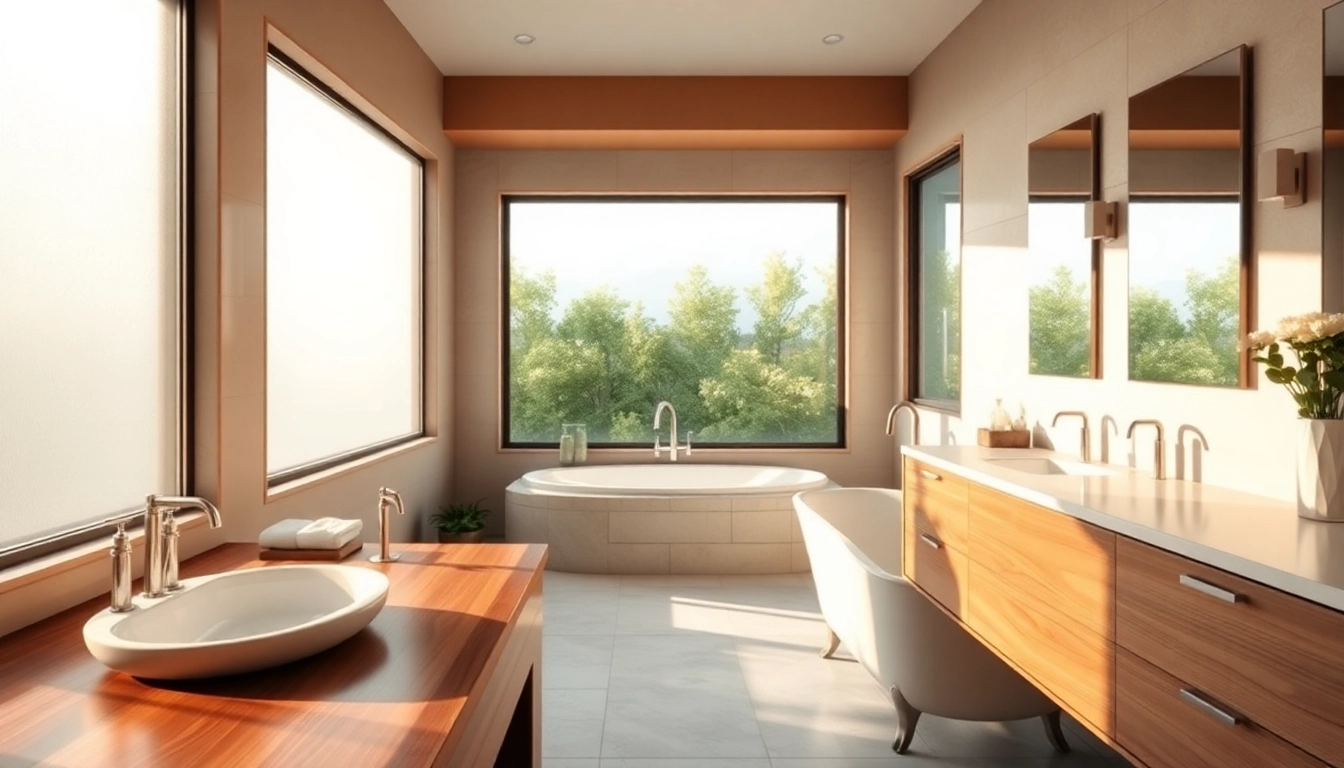
Vancouver’s unique blend of natural beauty and urban sophistication greatly influences bathroom trends. Key trends include:
- Biophilic Design: Incorporating natural elements such as wood, stone, and plants to create a serene atmosphere.
- Minimalism: Clean lines, functional spaces, and a lack of clutter define minimalist bathrooms, making them feel more spacious.
- Smart Technology: Integrating smart toilets, mood-enhancing lighting, and advanced shower systems for added convenience and luxury.
These trends emphasize comfort and practicality while reflecting a commitment to sustainability, which resonates deeply with Vancouver’s environmentally conscious residents.
Assessing Your Space
Before beginning a bathroom renovation, it is essential to assess your space thoroughly. This includes evaluating the existing layout, plumbing infrastructure, and the overall condition of materials. Consider the following:
- Measurements: Accurate measurements ensure that new fixtures fit seamlessly.
- Natural Light: Assess window placements and consider if additional light sources are needed.
- Traffic Flow: Ensure that the layout encourages easy movement.
A well-analyzed space leads to better decisions, optimizing both aesthetics and functionality.
Key Elements of Bathroom Design
Choosing Fixtures and Fittings
The choice of fixtures and fittings can dramatically influence the overall look and functionality of your bathroom. Considerations include:
- Toilets: Opt for high-efficiency models that save water and reduce utility bills.
- Showers and Bathtubs: Whether you prefer a luxurious soaking tub or a space-efficient shower, prioritize comfort and usability.
- Sinks and Cabinets: Consider vanity styles that provide adequate storage while aligning with your design vision.
Choosing the right pieces involves not just prioritizing aesthetics but also weighing functionality and durability—essential aspects for long-term satisfaction.
Color Schemes and Materials
Color schemes can drastically impact the ambiance of a bathroom. Whites and light pastels can make a space feel larger, while darker hues can create a cozy retreat. Pair colors with appropriate materials; examples include:
- Ceramic Tiles: Durable and available in various designs, suitable for floors and walls.
- Natural Stone: Provides a luxury look but requires ongoing maintenance.
- Humidity-Resistant Paints: Use specialized paints to prevent mold and ensure longevity.
A strategic approach to color and materials reinforces your design vision while enhancing the overall comfort and appeal.
Lighting for Ambiance
Effective lighting is pivotal in creating a welcoming environment. Layers of light including ambient, task, and accent can transform the space:
- Ambient Lighting: Overhead lights provide primary illumination.
- Task Lighting: Fixtures around mirrors or in shower areas facilitate grooming tasks.
- Accent Lighting: Highlight architectural features or decorative elements.
Consider including dimmers to enhance the versatility of the space, allowing you to shift the mood from functional to relaxing effortlessly.
Budgeting for Your Renovation
Estimating Costs Accurately
Creating a realistic budget is a critical step in any renovation. Start by determining what elements of the bathroom you wish to change and their associated costs. Essential components to consider include:
- Labor costs for contractors or DIY expenses.
- Materials: tiles, plumbing fixtures, cabinetry, and paint.
- Unexpected costs: always set aside a contingency fund of at least 10-20% for surprises.
Breaking down costs into categories helps in creating a clear understanding and managing expectations throughout the renovation process.
Finding Cost-Saving Solutions
Renovations can be costly, but there are numerous strategies to save without compromising quality:
- Refurbishing vs. Replacing: Consider refinishing existing items.
- Shopping Off-Season: Look for sales during off-peak times to find significant discounts.
- DIY Elements: Handling minor tasks such as painting can reduce labor costs substantially.
Smart financial planning and creative strategies can help you stay within budget while achieving your design goals.
Investment vs. ROI Considerations
Understanding the return on investment (ROI) is crucial when planning your bathroom renovation. Upgrading bathrooms tends to yield significant returns, especially in high-demand real estate markets like Vancouver. Consider the following aspects:
- High-quality fixtures typically last longer and hold better value.
- Stylish, modern designs attract buyers and increase home appeal.
- Energy-efficient elements can lead to savings that add to overall value.
Prioritize renovations that align both with personal enjoyment and future resale potential.
DIY vs. Hiring Professionals
When to DIY Your Bathroom Renovation Vancouver
Choosing between DIY and hiring professionals hinges on several factors. Certain tasks such as painting, tiling, and installing decorative elements may be suitable for DIY projects, especially if you possess the skills. Here are some guidelines:
- Assess your comfort level with tools and home improvement tasks.
- Understand the time commitment involved in DIY tasks.
- Consider local building codes; some tasks may require professional oversight.
While DIY can be rewarding, it’s crucial to recognize your limits to avoid costly mistakes.
Choosing the Right Contractor
If you decide to hire a professional, selecting the right contractor is paramount. Begin with these steps:
- Gather recommendations from friends or online platforms.
- Verify credentials and reviews to assess past work quality.
- Request detailed quotes to compare different contractors.
A skilled contractor can not only execute your vision but also provide additional insights to enhance your project’s outcome.
Navigating Local Regulations
Renovations often require adherence to local codes and regulations, especially for plumbing and electrical work. Factors to keep in mind include:
- Permits: Many renovations, especially structural ones, will require permits.
- Inspections: Final inspections ensure safety and compliance with local standards.
- HOA Regulations: If applicable, always confirm that your plans align with Homeowners’ Association guidelines.
Understanding regulatory requirements prevents potential setbacks and ensures a smooth renovation process.
Post-Renovation Care and Maintenance
Establishing Cleaning Routines
Post-renovation maintenance is vital in preserving your newly designed bathroom. Effective cleaning routines might include:
- Regularly washing surfaces with suitable cleaning products.
- Implementing a schedule for deep cleaning, focusing on areas prone to mold, like showers.
- Keeping a checklist for monitoring supplies required for upkeep.
Routine care not only maintains aesthetics but extends the lifespan of your fixtures.
Long-term Care for Fixtures
Attention to long-term fixture care is essential for maintaining their functionality:
- Faucets: Regularly check for leaks and ensure aerators are cleaned to prevent clogs.
- Showerheads: Soak in vinegar periodically to remove mineral buildup.
- Toilet Maintenance: Schedule periodic inspections to ensure functionality and prevent costly repairs.
By following these care practices, your bathroom investments will continue to perform well over time.
Planning Future Upgrades
Renovations can set the stage for future upgrades. As you plan, consider:
- Flexible designs that can accommodate future changes without major overhauls.
- Incorporating technology that can be upgraded easily, like smart faucets.
- Choosing durable materials that withstand wear and aging.
By having a long-term outlook, you ensure your bathroom remains functional and relevant over the years.
Frequently Asked Questions
How long does a bathroom renovation in Vancouver typically take?
The duration of a bathroom renovation can vary and typically takes between 4 to 6 weeks, depending on the project’s complexity.
What is the average cost of a bathroom renovation in Vancouver?
Average costs for a bathroom renovation in Vancouver can range from $10,000 to over $30,000, influenced by materials and design choices.
Do I need a permit for my bathroom renovation?
Permits may be required for electrical, plumbing, or structural changes. It’s advisable to check with local regulations before starting.
Can I live in my home during renovation?
Yes, many homeowners choose to stay during renovations, but it can be inconvenient. Consider your comfort and schedule when deciding.
What should I prioritize in my bathroom renovation?
Focus on key elements such as plumbing, fixtures quality, and efficient lighting, which significantly impact functionality and aesthetics.