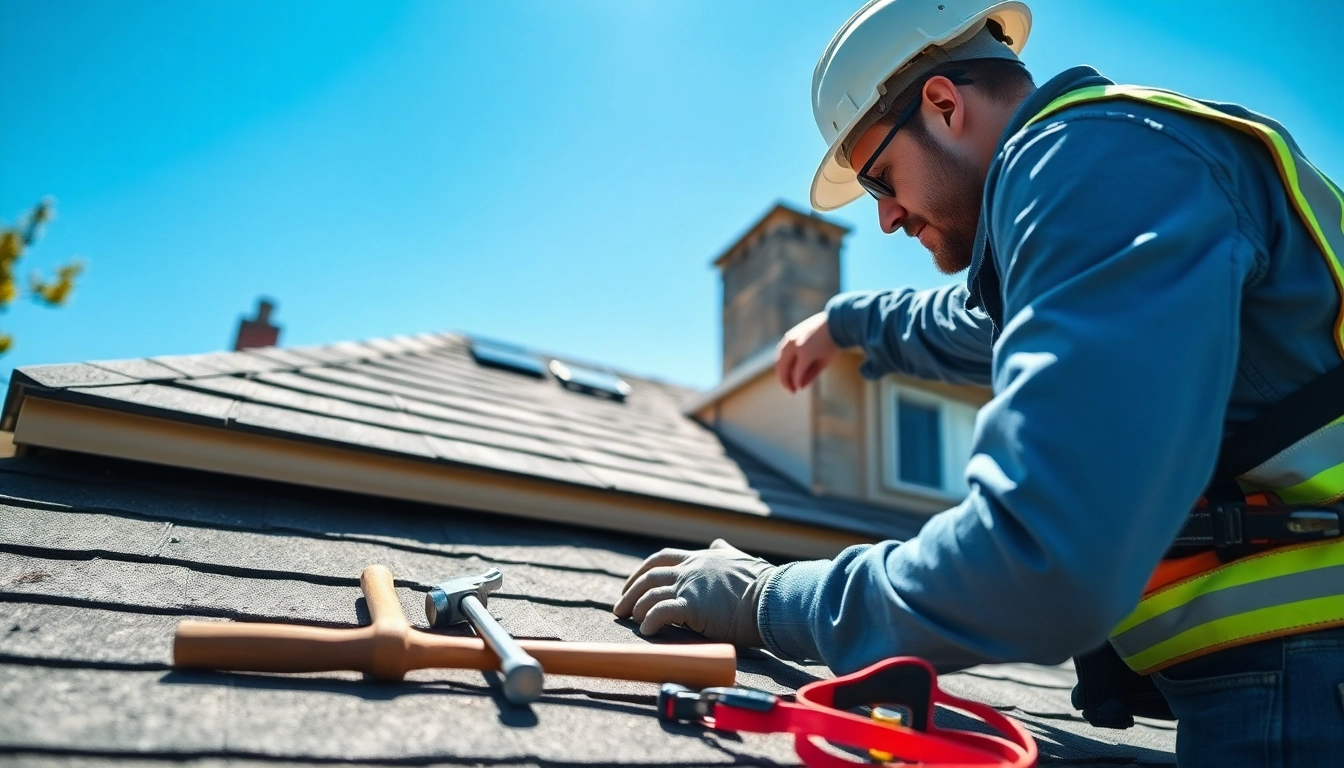
Understanding Emergency Roof Repair Bay Area Needs
The Bay Area, known for its picturesque landscapes, also experiences unpredictable weather patterns that can lead to urgent roofing issues. Homeowners must be prepared for such events and understand the nuances of emergency roof repair Bay Area. This article delves into the critical aspects of emergency roof repair, providing valuable insights and tips for homeowners.
Common Causes of Roof Emergencies
Roof emergencies can arise from a variety of factors, many of which are exacerbated by the unique climate of the Bay Area. Here are some predominant causes:
- Severe Weather: Heavy rainfall, windstorms, and even rare hail events can damage shingles and roofing materials, leading to leaks and structural issues.
- Age of the Roof: Older roofs are more susceptible to damage. Over time, roofing materials degrade, leading to vulnerabilities that can result in emergencies.
- Improper Installation: Poorly executed roofing work can cause immediate and long-term issues, causing leaks or roof collapses.
- Falling Debris: During storms, tree branches and other debris can fall onto roofs, causing significant damage that requires immediate attention.
- Pests: Infestations of rodents or insects can compromise roofing integrity, leading to emergencies that necessitate repair.
Signs You Need Immediate Roof Repair
Identifying signs of roofing problems early can save homeowners from costly repairs. Here are key indicators that indicate the need for immediate action:
- Visible Leaks: Stains on the ceiling or walls often signify leaks that require prompt attention.
- Missing or Damaged Shingles: If shingles are missing, curling, or showing signs of wear, it may lead to leaks.
- Structural Deformations: Sagging roofs or visible damage can indicate significant structural issues that need addressing.
- Water Pooling: Roofs designed to allow water drainage may develop areas where water accumulates, leading to leaks and further damage.
- Increased Energy Bills: If heating or cooling costs suddenly rise, it may indicate insufficient insulation or damage to the roof.
Importance of Quick Response
Acting quickly during a roofing emergency is essential to mitigating damage. Delays can lead to worsened conditions, increasing repair costs and potentially requiring a full roof replacement. Responding swiftly can:
- Prevent Further Damage: Quick repairs minimize additional damage to the home’s structure, interior, and belongings.
- Reduce Insurance Claims: Prompt action may help in managing claims effectively, leading to less hassle with insurance providers.
- Ensure Safety: Addressing roof damages immediately enhances the safety of the home’s inhabitants.
Choosing the Right Contractor for Emergency Roof Repair Bay Area
Finding the right contractor is crucial for effective emergency roof repair. Homeowners must take careful steps to ensure they choose a reliable professional.
What to Look for in a Contractor
When searching for an emergency roof repair contractor, consider these critical criteria:
- Experience and Specialization: Opt for contractors with ample experience in emergency repairs and local knowledge of roofing systems.
- Licensing and Insurance: Ensure the contractor holds the necessary licenses and insurance to protect against liabilities during repairs.
- Reputation: Check online reviews and local referrals to gauge a contractor’s reputation and reliability.
Questions to Ask Prior to Hiring
To ensure you hire the right contractor for emergency roof repair, ask essential questions, including:
- What is your estimated timeline for repairs?
- Can you provide references from previous customers?
- What materials will you use, and do you offer warranties on work done?
Checking Contractor Credentials
Verifying a contractor’s credentials is vital. Look for the following:
- Licenses: Confirm that the contractor has the appropriate state license for roofing work.
- Insurance: Verify that they carry liability insurance and workers’ compensation to protect against accidents.
- Certifications: Consider checking for certifications from manufacturers, indicating they meet specific installation standards.
Steps to Take During a Roof Emergency
In the event of a roof emergency, knowing the right steps to take can significantly impact the outcome of the situation.
Safety Precautions to Consider
Safety should be the top priority for homeowners during a roofing crisis. Here are critical precautions to take:
- Assess the Situation: Evaluate whether it’s safe to approach the roof or if it’s better to wait for professional assistance.
- Avoid Electrical Hazards: Stay clear of electrical lines and avoid using appliances in wet areas to prevent electrocution.
- Secure the Property: If necessary, cordon off areas affected by roof leaks to keep people safe.
How to Temporarily Secure the Area
If immediate repairs aren’t possible, consider these temporary measures to secure the affected area:
- Tarps: Use waterproof tarps to cover areas where leaks occur, ensuring they are secured in place.
- Buckets: Place buckets under leaks to catch falling water and prevent interior damage.
- Dehumidifiers: Use dehumidifiers indoors to reduce moisture levels until repairs can be made.
Documenting Damage for Insurance Claims
Thorough documentation is crucial for insurance claims. Here’s how to do it:
- Photographic Evidence: Take clear pictures of all damage, including close-ups and wider shots for context.
- Written Descriptions: Write detailed notes describing the damage and note the time and date it occurred.
- Prior Evidence: Collect any previous inspection reports that show the roof’s condition before the emergency.
Cost Factors in Emergency Roof Repair Bay Area
The costs associated with emergency roof repair can vary significantly. Understanding these factors can help homeowners budget effectively.
Typical Expenses Involved
Emergency repair costs may encompass a range of expenses, including:
- Labor Costs: Labor typically comprises a significant portion of repair costs, influenced by the complexity of repairs.
- Material Costs: Different roofing materials have varying costs, impacting the overall expense of repairs.
- Disposal Fees: If old roofing materials need to be removed, disposal fees may also contribute to overall costs.
Understanding Labor vs. Material Costs
Understanding the balance between labor and material costs is essential for budgeting:
- Labor: Skilled labor is often a more considerable expense, particularly for emergency repairs requiring immediate action.
- Materials: Quality materials might incur higher upfront costs but can offer long-term savings by reducing future repairs.
Insurance Coverage Considerations
Insurance coverage can significantly impact the overall cost of repairs. Consider the following:
- Policy Type: Know what type of coverage your homeowners’ insurance offers for roof damage and deductibles.
- Documentation: Proper documentation of damage will support your claim process and efforts to minimize out-of-pocket costs.
- Insurance Adjuster: Involving an insurance adjuster can help navigate complex claims and ensure adequate coverage for repairs.
Preventative Measures for Future Roof Issues
After an emergency repair, homeowners should adopt proactive strategies to prevent future roof issues.
Regular Maintenance Tips
Routine maintenance can extend the life of your roof. Here are valuable tips:
- Regular Inspections: Schedule inspections at least twice a year to identify and address minor issues before they escalate.
- Cleaning Gutters: Keep gutters free from debris to ensure proper water drainage and prevent roof damage.
- Trim Tree Branches: Regularly trim any nearby overhanging branches to protect your roof from falling debris.
Seasonal Checks and Inspections
Seasonal changes require specific inspections, including:
- Pre-Winter Checks: Inspect for potential leaks and secure any loose materials to prepare for winter storms.
- Post-Heavy Rains: After heavy rainfall, inspect for leaks, mold, or anying debris that might have been missed.
- Spring Cleanup: Conduct a spring cleanup to check for winter damage and clean out gutters.
Investing in Quality Materials
Investing in high-quality roofing materials can pay off significantly in the long run. Consider the benefits:
- Longevity: High-quality materials often last longer, reducing the need for repairs or replacements.
- Energy Efficiency: Investing in energy-efficient materials can lower energy costs and improve home comfort.
- Enhanced Resilience: Quality materials typically withstand harsh weather conditions better, minimizing emergency repairs.
Frequently Asked Questions
1. What constitutes a roofing emergency?
A roofing emergency involves situations like leaks from severe weather, structural damage, or a compromised roof that necessitates immediate action.
2. How can I tell if my roof needs repairs?
Signs include visible leaks, missing shingles, interior water stains, or sagging structures—indicators that immediate attention is required.
3. How do I find a reputable contractor?
Seek licensed contractors with positive reviews, verify their credentials, and communicate your specific emergency needs to gauge their suitability.
4. Will my homeowner’s insurance cover emergency roof repairs?
Many policies cover emergency repairs, but coverage details vary. Always check your policy and consult with your insurance agent for clarity.
5. What preventive measures can I take?
Regular inspections, proper maintenance, timely repairs, and using quality materials can help prevent future roofing issues and emergencies.