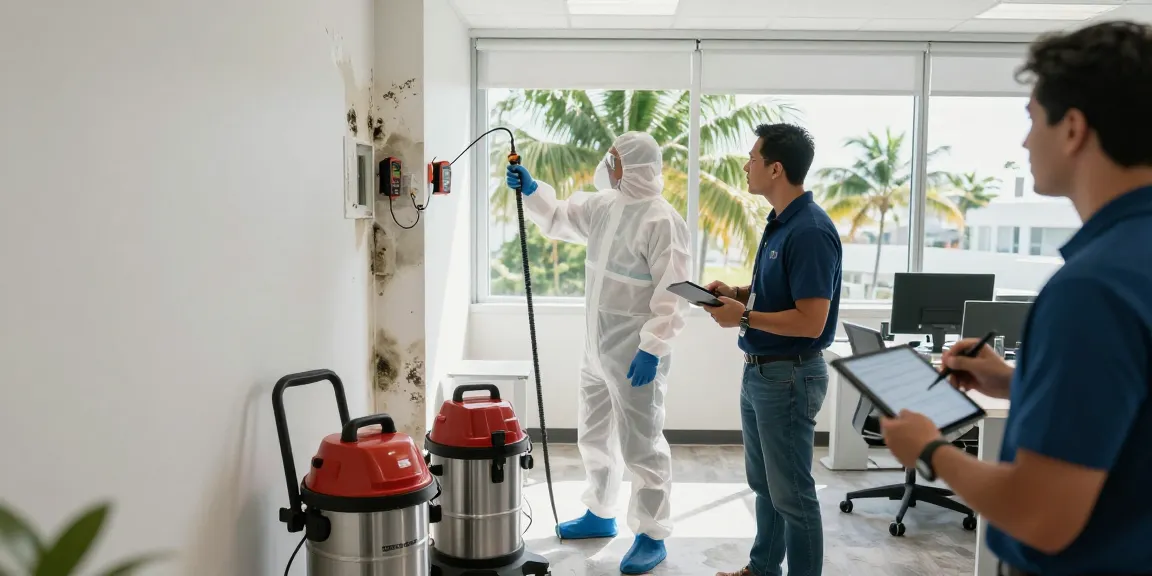
Understanding Commercial Mold Removal
Mold is a pervasive issue that affects various environments, especially in regions with high humidity, like South Florida. For businesses, the stakes are higher when it comes to mold, not only due to potential damage to property but also because of the associated health risks to employees and clients. The process of commercial mold removal is not just about cleaning; it is a comprehensive approach that encompasses assessment, remediation, and prevention strategies. When exploring options, commercial mold removal provides comprehensive insights into the effective management of mold issues in business settings.
What is Commercial Mold Removal?
Commercial mold removal refers to the systematic process of identifying, eliminating, and preventing the recurrence of mold infestations in commercial properties. This process often involves specialized equipment and trained professionals who understand the complexities of mold biology and its impact on human health. The key objective is to restore the environment to a safe and healthy state, ensuring compliance with health regulations and protecting the business from potential legal liabilities associated with mold exposure.
Why is Mold Removal Crucial in South Florida?
South Florida’s subtropical climate creates an optimal environment for mold growth, particularly due to high humidity levels and frequent rain. Conditions can rapidly lead to mold proliferation, especially in commercial settings where water damage from storms, leaks, or high humidity is common. Molds can cause significant harm not just structurally to the building but also to the people who work inside, making prompt action essential for any business owner.
Key Differences Between Commercial and Residential Mold Removal
Though the fundamental principles of mold removal are similar for both residential and commercial settings, there are significant differences. For one, commercial properties are typically larger, have more complex HVAC systems, and have a higher occupancy level. This means that the potential for mold spread is greater, and remediation processes must adhere to stricter regulatory standards. Professional commercial mold removal services utilize advanced strategies and technologies to manage and mitigate the risks associated with mold in a business environment.
How Water Damage Contributes to Mold Growth
Common Sources of Water Damage in Commercial Properties
Water damage can arise from several sources in commercial properties, creating an environment conducive to mold growth. Some of the most common sources include:
- Flooding: Hurricanes and heavy storms frequently lead to significant flooding, causing water to infiltrate buildings.
- Leaks: Plumbing failures, roof leaks, and faulty seals can allow moisture to enter walls and ceilings unnoticed.
- HVAC Issues: Poorly maintained heating, ventilation, and air conditioning systems can lead to condensation, promoting mold growth.
- High Humidity: South Florida’s climate often sees relative humidity levels above 70%, allowing moisture to permeate porous materials.
The Role of Humidity in Mold Proliferation
Humidity is one of the primary drivers of mold growth. When moisture levels in the air are high, it can lead to condensation on surfaces, creating ideal conditions for mold to thrive. Commercial buildings, particularly those with poor ventilation, can struggle to maintain optimal humidity levels, leading to frequent mold outbreaks.
How Quickly Does Mold Develop After Water Exposure?
Once water damage occurs, mold can begin to develop within 24 to 48 hours if the affected areas are not dried properly. This rapid colonization makes professional intervention critical to mitigate the health risks and structural damages associated with mold growth.
Recognizing Warning Signs of Mold in Office Buildings
Visible Indicators of Mold Growth
Identifying mold early can prevent extensive damage. Common visible signs include:
- Black, green, or white patches: Found on walls, ceilings, and furniture.
- Water stains: Dark spots indicating moisture accumulation behind surfaces.
- Peeling paint: A sign that moisture is trapped underneath the layers.
Interior Odors and Their Significance
A persistent musty odor is a common indication of mold presence. Even if mold is not visible, these scents can signal its existence in hidden areas, necessitating a professional evaluation.
Employee Health Complaints Linked to Mold
Employee health issues such as respiratory problems, headaches, and allergy-like symptoms can also be indicators of mold presence. If multiple employees report similar symptoms, it’s essential to investigate for potential mold problems.
Health Risks Associated with Mold Exposure
Common Allergic Reactions to Mold
Exposure to mold can lead to various allergic reactions, including sneezing, itchy eyes, and skin rashes. The severity of symptoms varies among individuals, often depending on their sensitivity and any pre-existing health conditions.
Serious Health Issues Linked to Mold in Commercial Spaces
In more severe cases, mold exposure can lead to respiratory issues, including asthma attacks and other chronic lung conditions. Toxic molds, such as Stachybotrys chartarum (commonly known as black mold), can produce mycotoxins that may have serious neurological effects, fatigue, and other systemic health issues.
Impact on Employee Productivity and Well-Being
Health issues stemming from mold exposure can significantly impact employee productivity and well-being. Increased absenteeism due to illness and decreased work efficiency can lead to financial losses for businesses. Furthermore, a healthy work environment fosters employee morale and retention.
The Importance of Professional Mold Remediation Services
Why DIY Solutions are Ineffective for Commercial Mold Removal
While some may consider handling mold removal independently, this approach can lead to incomplete remediation and a higher risk of cross-contamination. Many household cleaning products do not effectively eliminate mold and may inadvertently spread spores throughout the building.
Benefits of Hiring Certified Mold Remediation Experts
Hiring professionals for commercial mold removal offers multiple benefits:
- Comprehensive Assessments: Certified experts use specialized tools to detect hidden mold and assess the extent of contamination.
- Safe Removal Practices: Professionals employ containment strategies to prevent mold spores from spreading during the remediation process.
- Restoration Services: Many remediation companies also provide structural repairs and moisture control solutions to prevent future mold growth.
Steps in the Professional Mold Removal Process
The professional mold removal process typically includes the following steps:
- Inspection: A thorough examination of the property to identify mold sources and extent of damage.
- Testing: Mold samples and air quality testing to determine the types and levels of mold present.
- Containment: Use of barriers and negative air pressure to prevent spores from spreading during removal.
- Removal: Safe and effective elimination of mold and contaminated materials.
- Restoration: Repairing water damage and implementing moisture control measures.
What Does Insurance Typically Cover for Mold Removal?
Insurance coverage for mold removal varies significantly based on individual policies. Generally, mold resulting from water damage due to covered perils, such as severe weather or plumbing issues, may be covered. However, it is crucial to review policy specifics and consult with an insurance agent for clarity.
How Can You Prevent Mold from Returning?
Preventing mold recurrence involves controlling moisture through:
- Regular maintenance of HVAC systems
- Prompt repairs of leaks and water damage
- Improving ventilation in high-humidity areas
- Using dehumidifiers in affected spaces
When Should You Call a Professional for Mold Help?
It is advisable to contact a professional immediately if you notice visible mold growth, musty odors, or employee health complaints related to indoor air quality. Early intervention can save businesses from extensive damage and health-related liabilities.