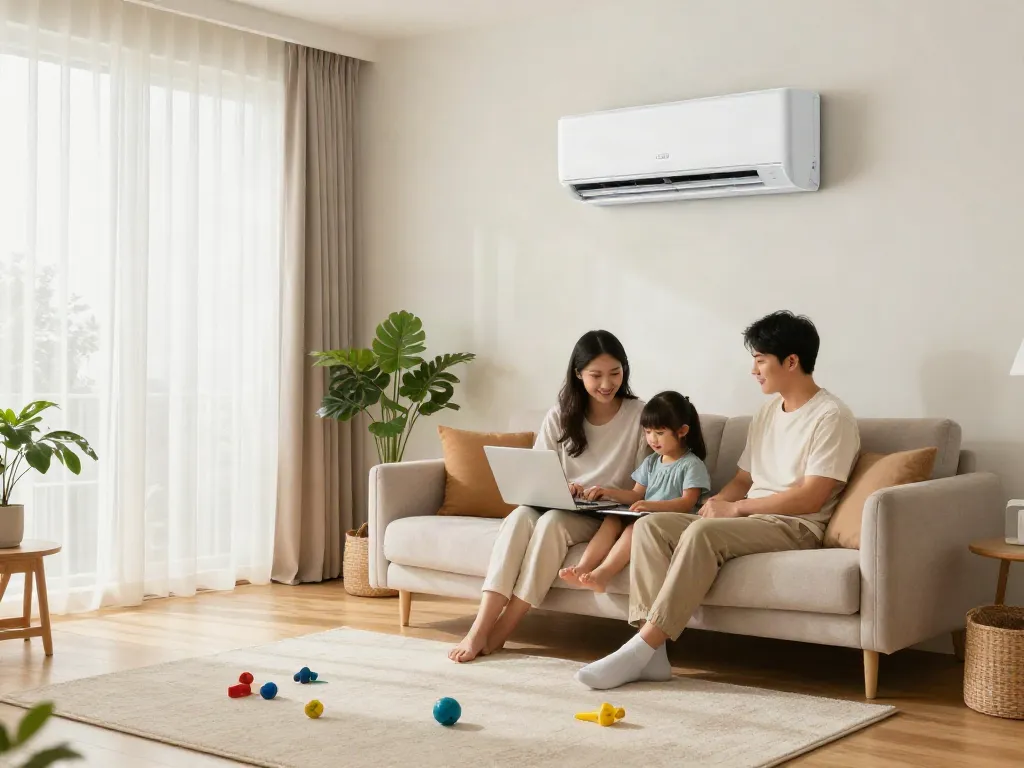
Understanding the 18000 BTU Mini Split System
When it comes to heating and cooling larger spaces efficiently, the 18000 btu mini split system stands out as a versatile and effective solution. These units have gained popularity for their ability to provide consistent temperature control while maintaining energy efficiency, making them an ideal choice for homeowners looking to optimize their indoor climate. This article will explore the various aspects of the 18000 BTU mini split system, including its features, benefits, installation considerations, and maintenance tips.
What is an 18000 BTU Mini Split?
A mini split system is a type of ductless air conditioning and heating system that consists of two main components: an outdoor compressor and one or more indoor air handling units. The "BTU" in the name stands for British Thermal Units, a measurement of thermal energy that indicates the unit's cooling and heating capacity. A unit rated at 18000 BTU can effectively heat or cool spaces that range from approximately 550 to 1250 square feet, depending on factors like insulation, room layout, and local climate.
Key Features and Benefits of 18000 BTU Mini Splits
- Ductless Design: Eliminates the need for ductwork, allowing for flexible installation options and reducing energy losses that can occur in traditional systems.
- Energy Efficiency: Mini splits often come with high SEER (Seasonal Energy Efficiency Ratio) ratings, which can lead to significant energy savings on utility bills.
- Zone Control: Homeowners can create multiple climate zones, customizing the comfort level in different spaces based on usage patterns and preferences.
- Quiet Operation: Designed to operate at lower decibel levels than conventional HVAC systems, providing a more peaceful indoor environment.
- Heating and Cooling: Many mini splits come equipped with heat pump technology, allowing them to provide both heating and cooling solutions, making them versatile year-round.
Ideal Use Cases and Applications for Homeowners
The 18000 BTU mini split system is particularly well-suited for a variety of spaces and applications:
- Homes with Open Floor Plans: Perfect for cooling or heating larger, open areas without the need for extensive ductwork.
- Room Additions: Ideal for new sections of a home where extending existing duct systems would be impractical or costly.
- Garages and Workshops: Provides climate control for spaces used as workshops or hobby areas, enhancing comfort year-round.
- Basements: Can help improve air quality and comfort in basement areas that tend to be cooler or damp.
- Climate-Sensitive Locations: Beneficial for homes in regions with extreme temperatures, where efficient heating and cooling are crucial.
Installation Considerations for an 18000 BTU Mini Split
Preparing Your Space for Installation
To ensure optimal performance from your 18000 BTU mini split system, proper preparation is key. Start by assessing the area where you plan to install the indoor unit. Ensure that there is adequate clearance for airflow and that the wall is stable enough to support the unit's weight. Additionally, consider the placement of the outdoor unit, which needs to have sufficient space for ventilation and maintenance access.
Choosing a Professional vs. DIY Installation
While some homeowners may opt for a DIY installation, hiring a professional is often recommended, especially for those unfamiliar with HVAC systems. Professionals possess the expertise to properly size the unit, ensuring its capacity aligns with the room's specific heating and cooling needs. They can also navigate local building codes and regulations, which can save homeowners from potential complications down the line.
Common Installation Challenges and How to Overcome Them
Several challenges can arise during the installation of an 18000 BTU mini split system:
- Electrical Requirements: Ensure that the necessary electrical connections and circuit breakers are available before installation begins.
- Refrigerant Lines: Properly routing refrigerant lines can be tricky; ensure they are insulated to prevent energy loss.
- Location of Indoor Unit: Position the indoor unit strategically to maximize airflow and minimize noise disturbance, ensuring it complements furniture arrangement.
Energy Efficiency and Cost Savings
How the 18000 BTU Mini Split Saves Energy
One of the standout features of the 18000 BTU mini split is its energy efficiency. Compared to traditional HVAC systems, mini splits can significantly reduce energy consumption due to their ductless design and inverter technology. This allows the unit to adjust the compressor speed and output based on the current temperature demands, avoiding energy waste associated with heating or cooling to a set temperature.
Calculating Potential Cost Savings for Homeowners
To calculate the potential savings from installing a mini split, consider the following:
- Energy Bills: Review past heating and cooling bills to estimate potential reductions. A high SEER-rated mini split can lower electricity usage by 30-50% compared to less efficient systems.
- Incentives and Rebates: Research available government and utility company rebates for energy-efficient installations, which can further reduce upfront costs.
- Long-Term ROI: Factor in the lifespan of an 18000 BTU mini split, typically around 15-20 years, when considering cost-benefit analysis.
Understanding SEER Ratings and Their Importance
The Seasonal Energy Efficiency Ratio (SEER) measures the unit's cooling output during the cooling season divided by the total electric energy input. A higher SEER rating indicates a more efficient unit. For example, an 18000 BTU mini split with a SEER rating of 20 will consume less energy than one with a rating of 14, leading to substantial savings on electric bills over time.
Maintenance Tips for Longevity
Regular Maintenance Tasks for Homeowners
To ensure the longevity and efficiency of your 18000 BTU mini split system, engage in regular maintenance tasks:
- Clean Filters: Check and clean or replace air filters every month, especially during heavy usage seasons, to maintain airflow and efficiency.
- Inspect Drains: Regularly check and clean the condensate drain to prevent clogs and water damage.
- Check Refrigerant Levels: Ensure refrigerant levels are adequate and contact a professional if you suspect leaks or other issues.
Signs Your Mini Split Needs Repair
Being aware of the signs that indicate your mini split requires attention can prevent further damage and costly repairs:
- Weak Airflow: If the unit is struggling to maintain airflow, it may signal a dirty filter, blocked ducts, or mechanical issues.
- Increased Energy Bills: A sudden spike in energy costs could indicate inefficiencies due to a malfunction.
- Unusual Noises: Hearing unusual sounds such as grinding or rattling can suggest loose parts or mechanical wear that needs to be addressed.
DIY Maintenance Tips for Optimal Performance
Homeowners can perform several DIY maintenance tasks to keep their systems running smoothly:
- Clean the Outdoor Unit: Remove debris, leaves, and dirt buildup from the outdoor condenser unit to ensure proper airflow.
- Check Insulation: Inspect insulation around refrigerant lines for wear and replace if necessary to improve energy efficiency.
- Schedule Professional Servicing: Annually schedule a professional inspection to assess system performance and efficiency.
Future Trends in Mini Split Technology
Innovative Features Expected by 2026
The mini split technology market is continuously evolving. By 2026, we can expect several innovative features, including:
- Enhanced Smart Features: Increased integration with smart home systems allowing homeowners to control their climate remotely.
- Improved Energy Storage: Development of systems that utilize battery storage for enhanced sustainability and energy savings.
- Advanced Air Quality Sensors: Sensors that monitor and adjust the indoor air quality in real-time, enhancing overall health and comfort.
The Role of Smart Technology in Home Climate Control
Smart technology is reshaping how we manage our indoor climates. Expect features such as app-controlled systems, AI-driven temperature adjustments based on occupancy, and integration with renewable energy sources that enhance efficiency and reduce environmental impact.
Environmental Considerations and Sustainable Options
As environmental awareness grows, mini split manufacturers are focusing on developing more sustainable refrigerants and energy-efficient components, aligning with global initiatives to reduce carbon footprints. Look for systems that utilize eco-friendly refrigerants and boast high energy efficiency ratings.
Frequently Asked Questions
What size room is an 18000 BTU mini split suitable for?
An 18000 BTU mini split is suitable for spaces ranging from approximately 550 to 1250 square feet, depending on various factors like insulation, the number of windows, and the local climate conditions.
How energy efficient is the 18000 BTU mini split?
18000 BTU mini splits are known for their energy efficiency, typically boasting SEER ratings that can range from 15 to upwards of 23, significantly reducing energy consumption compared to older heating and cooling systems.
Can I install an 18000 BTU mini split myself?
While some homeowners may choose DIY installation, it is often recommended to hire a licensed professional to ensure proper setup and compliance with local building codes, which can also help maintain warranties.
What are the average costs for an 18000 BTU mini split?
The average cost of an 18000 BTU mini split system can range from $1,500 to $4,000, including installation. Factors affecting cost include unit quality, installation complexity, and regional prices.
What maintenance does an 18000 BTU mini split require?
Maintenance for an 18000 BTU mini split includes regular cleaning or replacement of filters, inspection of the condensate drain, and occasional checks of refrigerant levels to ensure optimal performance and efficiency.