Understanding the Stainless Steel Basin Manufacturing Process
The manufacturing of stainless steel basins is a complex process that blends advanced technology with traditional craftsmanship. This essential element in kitchens and bathrooms requires a precise understanding of materials, methodologies, and quality standards. In this article, we will explore the intricacies of basin production, from the materials used to the quality control measures that ensure durability and functionality. If you are looking to delve deeper into the world of manufacturing, the stainless steel basin factory sector offers a wealth of opportunities to understand and innovate.
Overview of Key Materials Used in Basin Production
Stainless steel is chosen for basin production primarily due to its corrosion resistance, strength, and aesthetic appeal. The most commonly used grades include 304 and 316 stainless steel. Grade 304, known for its versatility and resistance to oxidation, is an ideal choice for kitchen basins, while grade 316, with added molybdenum, is better suited for environments exposed to saline conditions, such as coastal areas. Understanding the properties and applications of these grades is crucial for manufacturers aiming to meet customer demands and industry standards.
Steps Involved in Fabricating Stainless Steel Basins
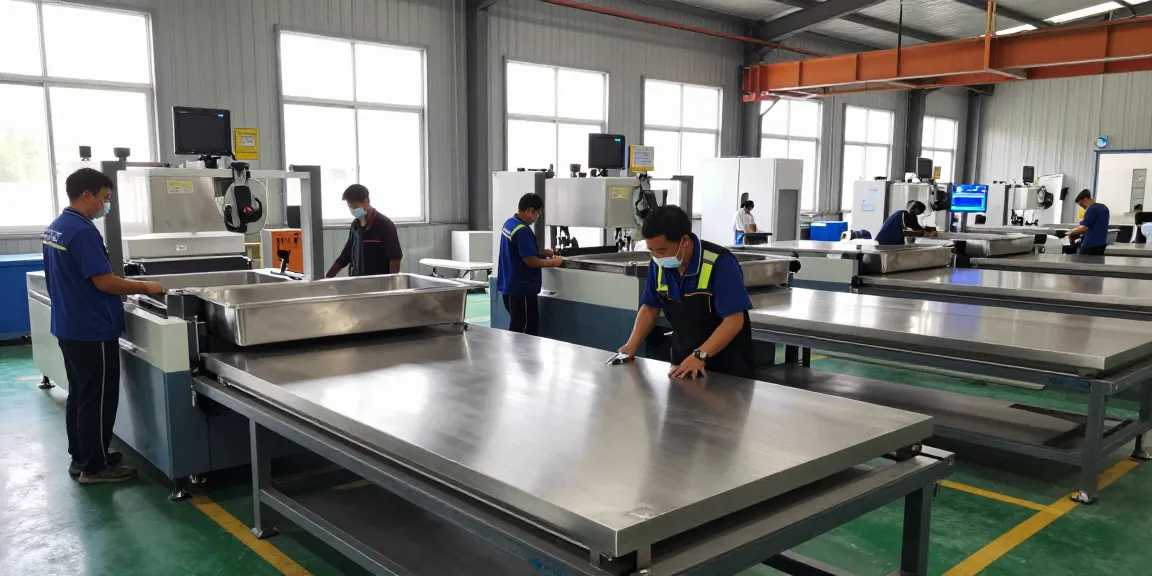
The fabrication process of stainless steel basins involves several key steps:
- Design: Utilizing CAD software to create precise basin designs that incorporate both functionality and aesthetics.
- Cutting: Large sheets of stainless steel are cut to size using plasma or laser cutting technologies, ensuring minimal waste and high precision.
- Forming: The cut sheets are then formed into the desired shape through methods such as deep drawing or hydroforming.
- Welding: Joints and seams are welded to ensure structural integrity and a seamless finish.
- Finishing: The basins undergo surface finishing processes like polishing or bead blasting to enhance appearance and hygiene.
- Quality Control: Final inspections and tests are conducted to ensure every basin meets the required standards for durability and functionality.
Quality Control Measures in Basin Manufacturing
Quality control is a vital aspect of ensuring that stainless steel basins meet industry standards and customer expectations. Manufacturers implement rigorous testing protocols, including:
- Visual Inspections: Checking for imperfections in welds and finishes.
- Mechanical Testing: Assessing the strength and durability through stress tests.
- Corrosion Resistance Tests: Exposing samples to corrosive environments to evaluate resistance.
- Compliance Checks: Ensuring all products meet relevant safety and environmental regulations.
Choosing the Right Machinery for Your Basin Factory
Investing in the right machinery is crucial for a successful stainless steel basin production line. Here, we review essential equipment required for efficient manufacturing.
Essential Equipment for Stainless Steel Basin Production
The manufacturing process requires a variety of machines, including:
- Laser Cutters: For precise cutting of stainless steel sheets.
- Press Brakes: To form the steel into the desired shapes effectively.
- Welding Machines: For creating strong joints and seams, including TIG and MIG welding apparatus.
- Polishing Equipment: To achieve the desired finish on the basins.
Investing in Automation for Improved Efficiency
Modern manufacturing increasingly relies on automation to enhance efficiency, reduce labor costs, and improve precision. Automation technologies can significantly streamline the production process by incorporating robotic arms for welding and material handling, thus minimizing human error and improving throughput.
Maintenance Best Practices for Factory Machinery
To ensure longevity and optimal performance of machinery, manufacturers should implement a rigorous maintenance schedule that includes:
- Regular inspections and servicing by qualified technicians.
- Investment in predictive maintenance technologies that monitor equipment performance.
- Training staff on best practices for machine operation and care.
Challenges in Operating a Stainless Steel Basin Factory
Every manufacturing environment faces its unique set of challenges. Identifying and mitigating these challenges is essential for sustaining operations.
Common Operational Obstacles Faced by Manufacturers
Some common issues include:
- Supply chain disruptions affecting the availability of raw materials.
- Fluctuating market demands and pricing pressures.
- Maintaining consistent quality amidst varying production scales.
Mitigating Risks in Production Environments
Effective risk management strategies are vital in manufacturing. Implementing cross-training programs for employees can help maintain productivity during workforce shortages. Additionally, establishing strong relationships with multiple suppliers can mitigate the impact of supply chain disruptions.
Industry Regulations and Compliance Issues
Compliance with industry regulations is crucial. Manufacturers must stay abreast of local and international standards that govern health, safety, and environmental practices to avoid legal repercussions and enhance marketability.
Market Trends Impacting the Stainless Steel Basin Industry
The stainless steel basin industry is ever-evolving, influenced by technological advancements and consumer behavior. Understanding these market trends is essential for manufacturers.
Emerging Technologies in Basin Manufacturing
Emerging technologies, such as additive manufacturing and advanced robotics, are reshaping traditional production methods. These innovations allow for greater customization and reduced lead times, which can enhance competitive advantage.
Consumer Preferences Shaping Product Design
Today’s consumers are increasingly favoring sustainable and eco-friendly products. Manufacturers are responding by incorporating recycled materials and minimizing waste during production. Additionally, the demand for bespoke designs and finishes is on the rise, pushing factories to innovate continuously.
Predictions for the Future of the Stainless Steel Market
As the market evolves, a steady growth trajectory is expected, driven by rising urbanization and increasing construction activities worldwide. Manufacturers who adapt to these trends and focus on sustainability will likely see significant advantages in market share.
Growing Your Business as a Stainless Steel Basin Manufacturer
In an increasingly competitive landscape, effective growth strategies are crucial for success in stainless steel basin manufacturing.
Effective Marketing Strategies for Factories
Utilizing digital marketing strategies, such as SEO and social media campaigns, can enhance visibility and attract new customers. Engaging content that highlights product quality and innovative processes can differentiate your brand in a crowded market.
Building Stronger Relationships with Distributors
Establishing strong ties with distributors is critical for expanding market reach. Providing training, promotional materials, and incentives can help strengthen these partnerships and encourage consistent sales.
Leveraging Online Platforms for Increased Visibility
Online platforms offer invaluable opportunities for outreach. Engaging content on websites, blogs, and social media can position manufacturers as industry leaders and attract a broader audience.
What are the benefits of stainless steel basins?
Stainless steel basins offer numerous advantages, including durability, resistance to corrosion, ease of cleaning, and aesthetic appeal. These properties make them ideal for high-demand environments like kitchens and bathrooms.
How is stainless steel recycled in manufacturing?
Recycling stainless steel involves melting down used materials and reforming them into new products. This process not only conserves resources but also reduces waste and energy consumption.
What are the most common applications for stainless steel basins?
Stainless steel basins are commonly used in residential kitchens, commercial food preparation, laboratories, and medical facilities, owing to their hygienic properties and easy maintenance.
How can I ensure my factory complies with safety standards?
Regular training, audits, and adherence to OSHA regulations are essential for maintaining safety standards. Investing in safety equipment and encouraging a safety-first culture can further enhance compliance.
What are the leading innovations in stainless steel basin design?
Leading innovations include smart technology integration for water conservation, enhanced drainage systems, and ergonomic designs that improve usability and comfort.